Busan BGSS Eye Clinic · JCI-Accredited Ophthalmology Since 1997 · 7-Language Patient Care
JCI-Accredited · Since 1997
en-US
Specialty Overview
SMILE Vision Correction
SMILE Vision Correction refers to a group of laser-based refractive procedures designed to correct myopia and astigmatism by reshaping the cornea.
Schedule a ConsultationWhat Does SMILE Vision Correction Mean in Ophthalmology?
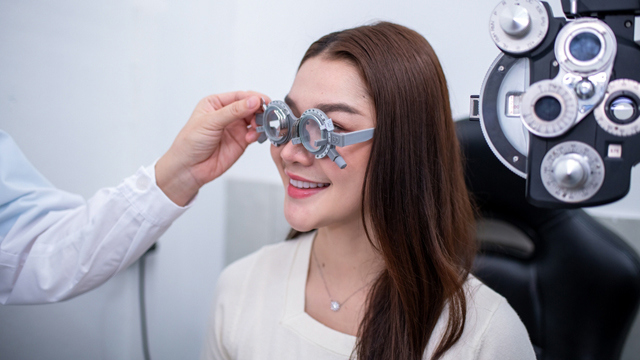
SMILE Vision Correction refers to a group of laser-based refractive procedures designed to correct myopia and astigmatism by reshaping the cornea. The SMILE (Small Incision Lenticule Extraction) technique uses a femtosecond laser to create a thin, lens-shaped layer of corneal tissue — called a lenticule — beneath the corneal surface. This lenticule is then removed through a small incision, typically only a few millimeters wide, without creating the larger corneal flap associated with traditional LASIK.
At Busan BGSS Eye Clinic, this approach is offered through SMILE Pro, alongside SMILE LASIK, Laser LASIK, and 2-Day LASEK, giving patients multiple vision correction pathways depending on corneal thickness, degree of refractive error, and individual eye health. Because SMILE-based procedures use a smaller incision than flap-based LASIK, corneal nerve disruption is generally reduced compared to conventional LASIK surgery, which may support a more comfortable recovery for suitable candidates. Patients whose corneal characteristics are better suited to a surface-based approach may instead be guided toward 2-Day LASEK or Laser LASIK following diagnostic evaluation.
Each of these refractive surgery procedures addresses the same underlying goal — correcting how light focuses onto the retina — but differs in surgical technique, incision size, and recovery profile. Determining which approach is appropriate depends on corneal thickness, pupil size, degree of refractive error, and lifestyle considerations, all assessed during the diagnostic consultation at our BGSS Eye Clinic.
Advanced SMILE Vision Correction in Ophthalmology — Precision Care for Busan Patients
Many patients considering vision correction surgery in Busan live with the ongoing burden of glasses or contact lenses, along with real concerns about the safety, precision, and downtime associated with laser eye procedures. Choosing between SMILE, LASIK, and LASEK options can feel overwhelming without clear, individualized guidance, particularly for patients unfamiliar with the technical differences between bladeless and flap-based techniques.
Patients do not have to navigate this decision on their own. Our Busan refractive surgery team focuses on thorough diagnostic evaluation and transparent communication, so each patient understands why a specific vision correction procedure is recommended for their eyes, with comfort and surgical safety guiding every step — from the initial corneal assessment through post-operative monitoring at our clinic in the Seomyeon area.
SMILE Vision Correction Services & Treatments in Ophthalmology
SMILE Pro
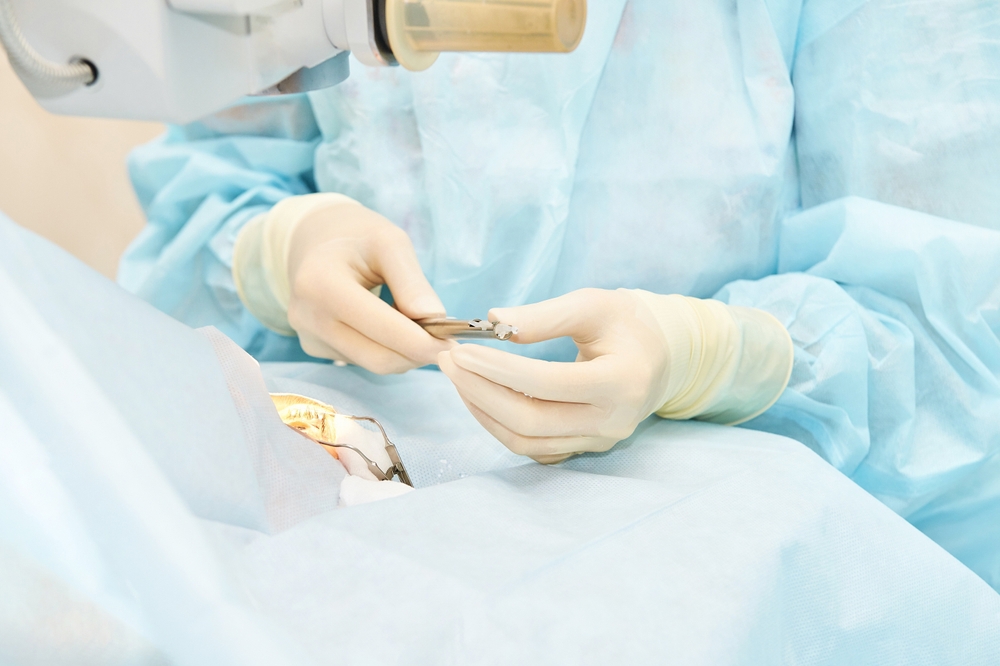
ZEISS's advanced bladeless lenticule extraction technique for correcting myopia and astigmatism through a small corneal incision. As a refinement of the original SMILE platform, SMILE Pro is designed around a more streamlined laser workflow intended to shorten procedure time while maintaining the bladeless, flapless approach that defines the SMILE technique family. This procedure is available to eligible patients at our Busan location.
SMILE LASIK
A refractive procedure combining SMILE technique principles with LASIK-based precision, offered as an alternative vision correction pathway for patients whose diagnostic profile suggests this combined approach may be suitable.
Laser LASIK
Traditional flap-based laser eye surgery, in which a thin corneal flap is created before the underlying tissue is reshaped with an excimer laser. This LASIK procedure remains suitable for candidates whose corneal thickness and profile support flap-based correction.
2-Day LASEK
A surface-based laser vision correction option in which the corneal epithelium is treated directly, without creating a corneal flap. This approach is often considered for patients whose corneal characteristics make LASEK surgery preferable to LASIK or SMILE, typically involving a somewhat longer initial surface-healing period compared to flap-based methods.
Busan BGSS Eye Clinic's ability to offer this full range of refractive surgery services under one roof allows our team to match each patient to the vision correction procedure best suited to their corneal thickness and visual needs, rather than defaulting to a single technique regardless of individual eye characteristics.
Why Choose Busan BGSS Eye Clinic for SMILE Vision Correction & Refractive Procedures
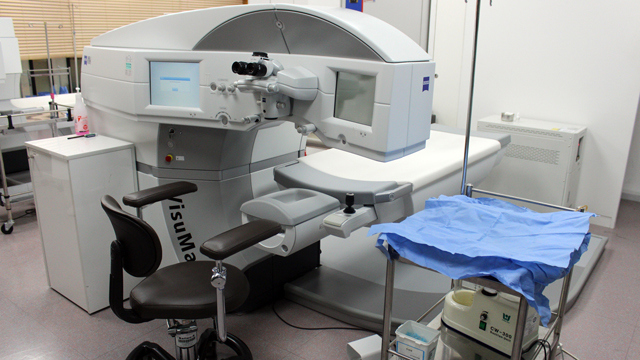
A refractive surgery team with combined membership across the Korean Society of Cataract and Refractive Surgery, the American Society of Cataract and Refractive Surgery, and the Asia LASIK Research Society
Clinical research contributions spanning LASIK enhancement surgery outcomes and comparative LASIK/PRK outcomes using advanced wavefront-guided laser technology
First ophthalmology clinic in Korea to receive Joint Commission International (JCI) accreditation
Surgical systems operated in compliance with FDA safety standards
Conveniently located at Seomyeon Station in Busan, a key transportation and tourism hub, with in-house multilingual medical interpretation for international patients
Registered medical institution for foreign patients by South Korea's Ministry of Health and Welfare, recognized as an Excellent Medical Tourism Recruitment Institution
These combined academic, clinical, and accreditation credentials are intended to give both local and international patients confidence in the depth of experience behind every SMILE Vision Correction consultation and treatment plan at our Busan clinic.
Meet the SMILE Vision Correction Specialists at Busan BGSS Eye Clinic
|
|
|
Dr. Gil-Ho Park, M.D., Ph.D. | Dr. Jeong-Min Woo, M.D. | Dr. Byung-Uk Ko, M.D. |



Dr. Gil-Ho Park — Director, Busan BGSS Eye Clinic
Holds a Doctor of Medicine (M.D.) and Ph.D., and also practices as an ophthalmologist at Seoul BGSS Eye Clinic, alongside serving as a Visiting Professor at Sungkyunkwan University School of Medicine. His clinical focus spans cataract surgery, refractive surgery including LASIK and related procedures, and contact lens-related eye care. His professional memberships include the Korean Society of Cataract and Refractive Surgery, the American Society of Cataract and Refractive Surgery, and the Asia LASIK Research Society, along with the Korean Contact Lens Society and the Contact Lens Research Society (United States). His published research includes a study on the clinical results of enhancement surgery following LASIK, presented at the Korean Ophthalmological Society Spring Meeting.
Dr. Jeong-Min Woo — Director, Busan BGSS Eye Clinic
Holds a Doctor of Medicine (M.D.) and serves as a Clinical Instructor and Visiting Professor at Dong-A University School of Medicine and Dong-A University Hospital. His clinical focus includes cataract and refractive surgery, specifically LASIK and PRK, alongside corneal disease management and contact lens-related eye care. His professional memberships include the Korean Society of Cataract and Refractive Surgery and the Korean Corneal Disease Study Group (KCDSG). His published research includes a one-year follow-up study on clinical outcomes of LASIK and PRK using LADARWave CustomCornea wavefront-guided technology, presented at the 93rd Congress of the Korean Ophthalmological Society.
Dr. Byung-Uk Ko — Director, Busan BGSS Eye Clinic
Holds a Doctor of Medicine (M.D.) and serves as a Visiting Professor at Dong-A University School of Medicine. His clinical focus includes cornea health and wound healing, alongside cataract and refractive surgery. He received a commendation from the Minister of Health and Welfare on Health Day in 2013. His professional memberships include the Korean Society of Cataract and Refractive Surgery and the Korean Cornea Society, and his published research includes a study on the effects of amniotic membrane contact lenses for corneal wound healing.
Together, this team reflects a shared, evidence-based approach to refractive surgery, combining clinical experience in LASIK enhancement outcomes, wavefront-guided laser research, and corneal health — supporting comprehensive diagnostic evaluation for every SMILE Vision Correction patient at Busan BGSS Eye Clinic.
International Patients & Global Support for SMILE Vision Correction Care
Busan BGSS Eye Clinic supports international patients traveling to Busan, Korea, for vision correction surgery through structured, in-house coordination designed to reduce the common barriers of language and logistics that often complicate medical travel.
In-house multilingual medical interpretation throughout reception, consultation, testing, surgical counseling, and aftercare
Coordinated scheduling for consultation, diagnostic testing, and surgery within a condensed visit timeframe, helpful for patients traveling from abroad with limited time
Post-surgical follow-up guidance for patients returning to their home country, supporting continuity of care after discharge
Convenient location at Seomyeon Station, a key hub for Busan transportation and tourism, allowing patients to combine vision correction treatment with the area's shopping, dining, and cultural attractions, as well as nearby coastal destinations such as Haeundae and Gwangalli Beach
From first contact through return home, our multilingual support systems are designed to help international patients navigate their SMILE Vision Correction journey clearly, safely, and with minimal added stress.
Patient Journeys for SMILE Vision Correction
Patient Case 1 — Myopia Correction Candidate
A patient in their late twenties with moderate myopia and no prior eye surgery typically begins with a comprehensive corneal evaluation to assess corneal thickness, pupil size, and refractive stability. Candidates with sufficient corneal thickness and a stable refractive history are commonly considered for SMILE Pro or SMILE LASIK at our Busan clinic, followed by scheduled post-operative check-ups to monitor healing and visual recovery over the following weeks.
Patient Case 2 — Thinner Cornea Candidate
A patient whose diagnostic testing reveals a thinner-than-average cornea may not be an ideal candidate for flap-based LASIK, since sufficient residual corneal tissue must remain to preserve structural stability after surgery. In such cases, the surgical team may instead evaluate suitability for 2-Day LASEK, a surface-based alternative that does not require flap creation.
Patient Case 3 — International Patient Combining Treatment with Busan Tourism
A patient traveling from abroad with a limited stay in Busan typically requires diagnostic testing, consultation, and surgery to be coordinated within a compressed schedule. For eligible candidates, our clinic's in-house multilingual support and convenient Seomyeon location are designed to accommodate this timeline, while allowing time to enjoy the area's shopping and coastal attractions during recovery.
What to Expect From the SMILE Vision Correction Treatment Process
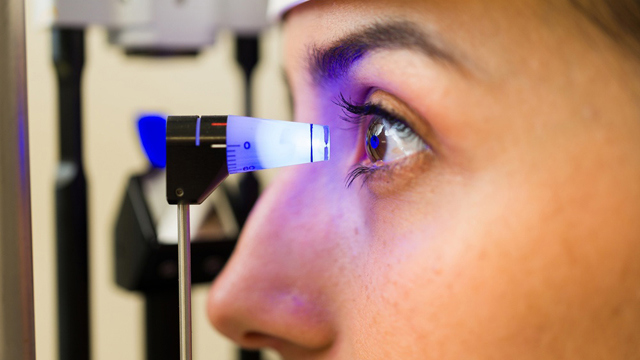
Step 1: Initial Consultation
Patients undergo a comprehensive eye examination assessing corneal thickness, refractive error, pupil size, and overall eye health, forming the basis for determining candidacy and the most suitable vision correction procedure among SMILE Pro, SMILE LASIK, Laser LASIK, or 2-Day LASEK.
Step 2: Personalized Surgical Plan
Based on diagnostic findings, our refractive surgery team develops an individualized treatment plan specifying the recommended procedure, taking into account each patient's corneal profile, degree of refractive error, and lifestyle or occupational visual demands.
Step 3: Ongoing Follow-Up
Following surgery, patients receive scheduled follow-up examinations to monitor corneal healing and visual outcomes over time, with multilingual coordination available throughout the recovery period for patients traveling from abroad to our Busan clinic.
Take the Next Step Toward Clearer Vision in Busan
Living with the daily limitations of glasses or contact lenses doesn't have to be permanent. Our refractive surgery team at Busan BGSS Eye Clinic is ready to guide you through a thorough evaluation of your eyes and help you understand which SMILE Vision Correction option may be right for you, backed by internationally recognized accreditation and clinical research experience.
Primary CTA: Schedule a Consultation
Reach out today to arrange your evaluation with our vision correction team in Busan and take the first step toward understanding your options for SMILE Pro, SMILE LASIK, Laser LASIK, or 2-Day LASEK.
Secondary contact: Speak with our multilingual patient care team for scheduling and consultation inquiries.
Related Services
Explore our comprehensive range of healthcare offerings tailored to your needs.
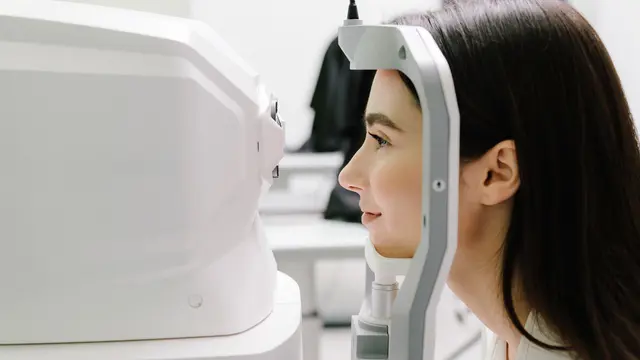
Dry Eye Diagnostic Testing
It is a spectrum of disorders with distinct underlying mechanisms — each requiring a different clinical response.
Learn More

Aqua IPL / Aqua Lifting
Dry eye syndrome is one of the most common and undertreated conditions in ophthalmology — affecting contact lens wearers, digital screen users, post-surgical patients, and adults over 40 with progressively declining tear film quality.
Learn More
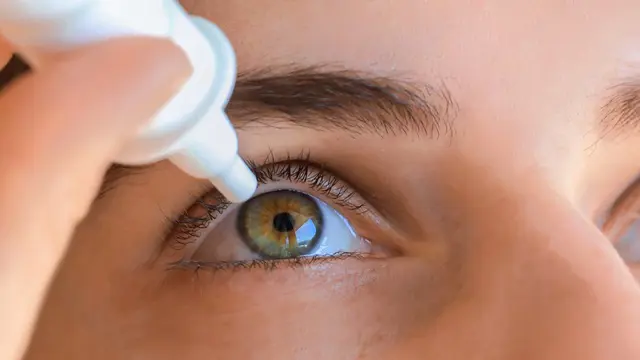
Autologous Serum Eye Drops
Autologous serum eye drops are a specialized therapeutic preparation in which a patient's own blood is processed to extract the serum — which is then formulated as personalized eye drops.
Learn More