Busan BGSS Eye Clinic · JCI-Accredited Ophthalmology Since 1997 · 7-Language Patient Care
JCI-Accredited · Since 1997
en-US
Dry Eye Syndrome Treatment · Needs Clinic Confirmation
Autologous Serum Eye Drops
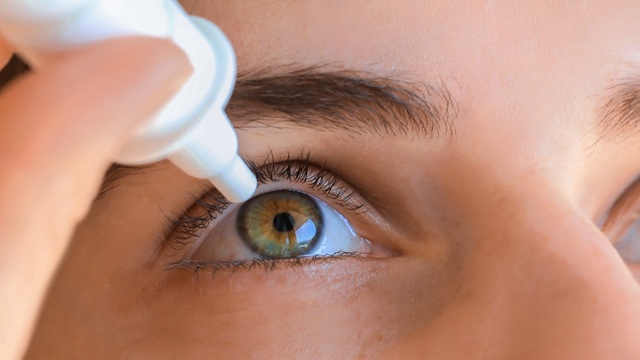
Autologous serum eye drops are a specialized therapeutic preparation in which a patient's own blood is processed to extract the serum — which is then formulated as personalized eye drops.
Schedule a ConsultationWhat Are Autologous Serum Eye Drops? Blood-Derived Dry Eye Therapy in Busan
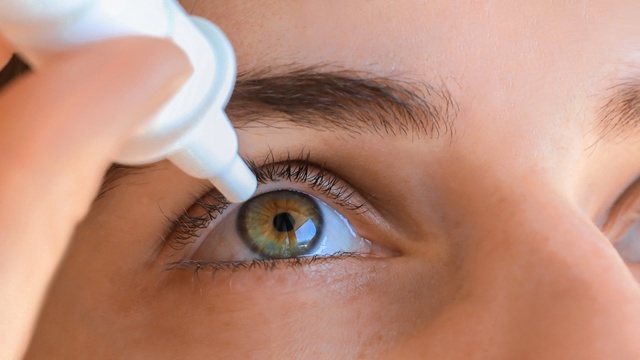
Autologous serum eye drops are a specialized therapeutic preparation in which a patient's own blood is processed to extract the serum — the liquid component containing natural growth factors, vitamins, immunoglobulins, and anti-inflammatory proteins — which is then formulated as personalized eye drops. Unlike commercially manufactured artificial tears, which supplement tear volume but cannot replicate the biological complexity of natural tears, autologous serum delivers a biochemical profile closely matching that of the tear film itself — providing the ocular surface with exactly the components it needs for healing, regeneration, and sustained lubrication.
At Busan BGSS Eye Clinic in Seomyeon, Busanjin-gu, autologous serum eye drops are used as part of the clinic's comprehensive dry eye management program — specifically for patients with severe dry eye, corneal surface damage, post-surgical dryness, or persistent symptoms that standard topical treatments have failed to adequately address. More than 75% of Korean adults experience dry eye to some degree, and for those with moderate to severe presentations, the absence of natural therapeutic growth factors in conventional eye drops is the fundamental reason those drops provide only temporary symptomatic relief rather than meaningful ocular surface recovery. Autologous serum at the Busanjin-gu, Busan clinic addresses this gap by supplying the biological healing agents the damaged ocular surface cannot generate adequately on its own.
The treatment is fully biocompatible — derived entirely from the patient's own blood, it carries no risk of rejection or allergic reaction. It is prepared under controlled conditions at the Seomyeon, Busanjin-gu clinic and provided to patients in a structured application regimen integrated into their personalized dry eye management plan.
Who Needs Autologous Serum Eye Drops in Busan?
Autologous serum eye drops are indicated for dry eye presentations where conventional treatment has proven insufficient — specifically where ocular surface damage, corneal nerve involvement, or severe glandular dysfunction requires a biological healing response that artificial tears cannot provide. The dry eye specialist team at Busan BGSS Eye Clinic in Seomyeon evaluates each patient's dry eye type, severity, and treatment history before recommending autologous serum. Patients who benefit most include:
Those using artificial tears frequently for one year or more without achieving adequate relief — indicating a chronic dry eye condition with an underlying cause that lubricant alone cannot address at the Seomyeon, Busanjin-gu clinic
Patients with severe daily dry eye discomfort — grittiness, heavy eyelids, morning eye adhesion, unexplained redness, or eye pain significantly affecting daily life at the Busan facility
Post-LASIK and post-LASEK patients experiencing persistent dry eye or vision deterioration after refractive surgery — corneal nerve disruption during laser correction is a known contributor to post-surgical dry eye, and autologous serum's nerve regeneration properties directly target this mechanism at the Seomyeon clinic
Post-cataract and post-presbyopia surgery patients with new or worsening dry eye following intraocular procedures at the Busanjin-gu, Busan facility
Adults over 40 with age-related dry eye and no identifiable systemic eye disease — particularly where Meibomian gland decline has reduced tear film quality beyond what lubricant drops can compensate
Patients with corneal surface damage from chronic dry eye — corneal epithelial irregularity, punctate epithelial erosions, or early corneal opacity from sustained dryness requiring growth factor-supported epithelial repair at the Seomyeon clinic
Those with severe evaporative dry eye in whom Meibomian Gland Dysfunction has caused tear film instability that persists despite Aqua IPL treatment — autologous serum provides concurrent biological support at the Busan BGSS facility
International patients traveling to Busan with severe chronic dry eye seeking a comprehensive biological treatment approach unavailable or under-resourced at their home clinic
Meet the Dry Eye Specialists at Busan BGSS Eye Clinic, Seomyeon
|
|
|
Dr. Jeong-Min Woo, M.D. | Dr. Hyun-Uk Shin, M.D. | Dr. Jong-Ho Park, M.D. |
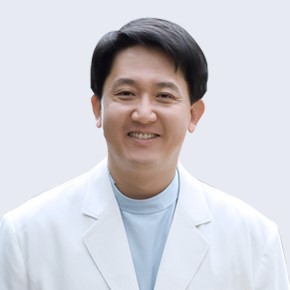
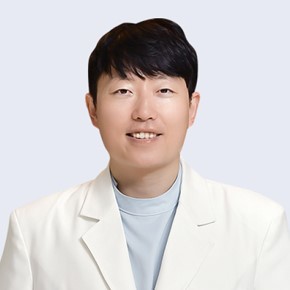

Dr. Jeong-Min Woo, M.D. Director, Busan BGSS Eye Clinic | Visiting Professor, Dong-A University School of Medicine | Clinical Instructor, Dong-A University Hospital Dr. Woo's clinical expertise in corneal disease and ocular adnexal conditions makes him the natural clinical lead for autologous serum dry eye cases at the Seomyeon, Busanjin-gu clinic. Corneal surface integrity — the primary target of autologous serum therapy — is a core domain of his clinical practice and research, and his understanding of the anatomical and inflammatory mechanisms driving dry eye directly informs the patient selection and serum application protocols used at the Busanjin-gu, Busan facility.
Dr. Hyun-Uk Shin, M.D. Director, Busan BGSS Eye Clinic | Visiting Professor, Dong-A University School of Medicine Dr. Shin's oculoplastic expertise and ocular surface management experience support the evaluation of dry eye patients whose presentations involve conjunctival, eyelid, or periocular structural contributors — conditions that frequently coexist with severe dry eye and influence the appropriate treatment combination at the Seomyeon clinic. His neuro-ophthalmology background also informs the assessment of post-surgical dry eye cases where corneal nerve recovery is a component of treatment planning at the Busan BGSS facility.
Dr. Jong-Ho Park, M.D., Master of Medicine Director, Busan BGSS Eye Clinic | Associate Professor of Retina, Yangsan Pusan National University Hospital Dr. Jong-Ho Park's retina and neuro-ophthalmology expertise supports the comprehensive evaluation of dry eye patients at the Seomyeon, Busanjin-gu clinic whose presentations warrant concurrent posterior segment assessment — ensuring that visual symptoms attributed to dry eye are not masking underlying retinal or optic nerve pathology at the Busanjin-gu, Busan facility.
The three specialists at the Seomyeon clinic approach autologous serum as one component of a structured, individualized dry eye management plan — not a standalone prescription, but a biologically targeted intervention integrated within a broader program addressing the root cause of each patient's ocular surface condition.
How Autologous Serum Eye Drops Work: The Ocular Surface Science
The tear film that protects and nourishes the ocular surface is not simply water — it contains a complex mixture of growth factors (EGF, TGF-β, fibronectin), vitamins (A, E), immunoglobulins (IgA), anti-inflammatory proteins, and neuropeptides that maintain epithelial cell health, support corneal nerve function, regulate immune responses, and sustain the mucin and lipid layers of the tear film. Commercial artificial tears can replicate the viscosity and osmolarity of tears, but they cannot replicate this biological complexity.
Autologous serum at Busan BGSS Eye Clinic in Seomyeon, Busanjin-gu delivers these biological components directly to the damaged ocular surface — specifically:
Epithelial growth factors stimulate corneal and conjunctival epithelial cell proliferation and wound healing — directly addressing the surface damage caused by chronic dry eye
Anti-inflammatory proteins reduce ocular surface inflammation — a key driver of dry eye progression that artificial tears do not target
Neuropeptides and nerve growth factors support corneal nerve regeneration — critical for post-LASIK, post-LASEK, and post-cataract patients whose surgical procedures disrupted corneal innervation at the Busanjin-gu, Busan clinic
Fibronectin promotes cell adhesion and epithelial integrity — supporting the restoration of a stable ocular surface that resists further dryness-related damage at the Seomyeon facility
Vitamins A and E provide antioxidant protection and support mucin secretion from conjunctival goblet cells — helping restore the inner mucin layer of the tear film
Because autologous serum is derived from the patient's own blood at the Seomyeon, Busanjin-gu clinic, it is completely biocompatible, carries no rejection risk, and contains no preservatives — making it suitable for patients with sensitivity to the benzalkonium chloride and other preservatives present in commercial eye drop formulations.
Autologous Serum Dry Eye Assessment and Treatment Process

Step 1 — Dry Eye Diagnostic Assessment
The specialist team at the Seomyeon, Busanjin-gu clinic conducts a structured dry eye workup before autologous serum is recommended:
OSDI Test — objective symptom severity scoring across 12 symptoms (0–100 scale); establishes baseline dry eye grade
BUT Test — tear film break-up time measurement; assesses tear film quality and stability at the Busan facility
Meibomian Gland Function Test — Galilei G4 equipment confirms evaporative dry eye from MGD; identifies whether autologous serum should be combined with Aqua IPL at the Seomyeon clinic
Tear Film OSI Analysis — OQAS device measures scatter affecting visual clarity; objective numerical dry eye severity documentation
Pentacam — corneal cross-section assessment of epithelial health, endothelial cell count, and corneal integrity at the Busanjin-gu, Busan clinic
OCT — retinal and optic nerve screening to exclude posterior segment contributors to visual symptoms
Step 2 — Blood Collection and Serum Preparation
A blood sample is drawn from the patient at the Seomyeon facility. The blood is processed under controlled conditions to separate the serum from cellular components. The serum is diluted to the appropriate therapeutic concentration and dispensed into single-use vials for patient use at the Busanjin-gu, Busan clinic.
Step 3 — Personalized Application Protocol
The patient is instructed on the correct application frequency, storage, and handling of autologous serum eye drops at the Seomyeon, Busanjin-gu clinic. Because the serum contains no preservatives, proper refrigeration and single-vial-per-session discipline are essential for safety and efficacy.
Step 4 — Integration with Comprehensive Dry Eye Program
Autologous serum is prescribed as part of the broader iAquaCare dry eye management program at the Busan BGSS facility — combined with Aqua IPL where Meibomian Gland Dysfunction is confirmed, Aqua Lifting where conjunctivochalasis is present, thermal eyelid massage, eyelid hygiene education, and self-care guidance including computer protection glasses and eyelid cleansing protocols.
Step 5 — Monitoring and Program Continuation
The BGSS dry eye program at the Seomyeon clinic does not conclude after a single prescription — autologous serum treatment continues with regular reassessment of OSDI scores, tear film stability, and ocular surface condition until meaningful dry eye improvement is achieved and sustained at the Busanjin-gu, Busan facility.
Autologous Serum Results, Safety, and Long-Term Management
Autologous serum eye drops are well-established in the clinical management of severe and treatment-resistant dry eye, with evidence supporting improvement in ocular surface integrity, symptom scores, and tear film stability — particularly in post-surgical, Sjögren's syndrome, and severe evaporative dry eye presentations. At Busan BGSS Eye Clinic in Seomyeon, Busanjin-gu, autologous serum is integrated within a comprehensive diagnostic and management framework — meaning treatment response is monitored objectively through repeated OSDI, BUT, and OSI analysis rather than patient-reported impression alone. Individual results vary based on dry eye subtype, severity, duration, and systemic health factors. No specific outcome is guaranteed.
The safety profile of autologous serum is inherently strong: as a preparation derived entirely from the patient's own blood at the Seomyeon clinic, it carries no allergy risk, no preservative toxicity, and no immunological rejection concern. The absence of preservatives — particularly benzalkonium chloride, which is itself a corneal epithelial irritant present in most commercial eye drops — is a specific advantage for patients with corneal surface sensitivity at the Busanjin-gu, Busan facility. Proper preparation, storage, and handling protocols are essential and are communicated clearly to every patient by the dry eye team at the Seomyeon, Busanjin-gu clinic.
Long-term dry eye management at the Busan BGSS clinic extends beyond the autologous serum prescription to include periodic Aqua IPL maintenance, continued iAquaCare sessions, self-care reinforcement, and structured follow-up — because dry eye is a chronic condition driven by aging, lifestyle, and environmental factors that do not resolve after a single treatment course.
Why Choose Busan BGSS Eye Clinic in Seomyeon for Autologous Serum Dry Eye Treatment?
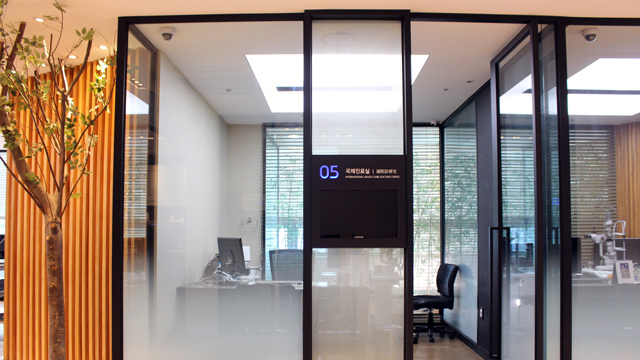
Effective autologous serum dry eye treatment requires more than a blood draw and a prescription — it requires the diagnostic capability to correctly identify dry eye subtype and severity, the clinical expertise to integrate serum therapy within a comprehensive treatment plan, and the infrastructure to monitor response and adjust management over time. Busan BGSS Eye Clinic in Seomyeon, Busanjin-gu provides all three — through a specialist team covering corneal disease, oculoplastics, and retinal disease; a six-test diagnostic protocol including Galilei G4, OQAS, and OCT; and the BGSS iAquaCare trademark dry eye program recognized as a global standard guideline for dry eye management. As the founding BGSS location since 1997 with 330,000+ procedures performed, the Seomyeon clinic's credentials are clear:
First ophthalmology clinic in Korea to receive JCI accreditation — four cycles
iAquaCare dry eye treatment methodology trademarked and recognized as global standard guideline
Advanced Regenerative Medicine Institution (2026) — reflecting the biological treatment depth of the Seomyeon clinic's program
Six-test dry eye diagnostic protocol — OSDI, BUT, Galilei G4 MGD assessment, OQAS OSI analysis, Pentacam, OCT at the Busanjin-gu, Busan facility
Key Medical Tourism Cooperative Institution, City of Busan — multilingual support in Chinese, English, Japanese, Mongolian, Russian, Vietnamese, and Indonesian
Patient Experiences: Autologous Serum Eye Drops at Busan BGSS Eye Clinic, Seomyeon
Patient Vignette 1 — Severe Post-LASIK Dry Eye, Early 30s
A patient in their early 30s at the Busanjin-gu, Busan clinic had experienced severe dry eye for two years following LASIK at another clinic. Multiple artificial tear brands had been used with only temporary relief. Dry eye assessment at the Seomyeon facility confirmed reduced tear film break-up time, low OSDI score improvement with standard drops, and early corneal epithelial irregularity on Pentacam. Autologous serum eye drops were prescribed alongside Aqua IPL treatment. Progressive improvement in ocular surface comfort and corneal regularity was noted at follow-up reviews. Results vary; no outcome is guaranteed.
Patient Vignette 2 — Chronic Severe Dry Eye, Mid 50s
A patient in their mid-50s traveling to Busan had been relying on artificial tears many times daily for over two years without sustained relief. BUT test at the Seomyeon, Busanjin-gu clinic confirmed severely reduced tear film stability, and Meibomian gland function assessment identified significant MGD. Autologous serum eye drops were integrated alongside the iAquaCare program and a course of Aqua IPL. Symptom frequency and severity reduced progressively over the treatment period. Individual results vary and no specific outcome is guaranteed.
Treat Your Dry Eye at the Source — Book Your Consultation in Busan
If artificial tears are no longer managing your dry eye and you want a biologically targeted treatment that works with your own body's healing capacity, the specialist dry eye team at Busan BGSS Eye Clinic in Seomyeon, Busanjin-gu is ready to assess whether autologous serum eye drops are the right next step for your ocular surface. With a trademarked dry eye treatment program, Advanced Regenerative Medicine Institution status, a six-test diagnostic protocol, JCI accreditation, and multilingual support in Chinese, English, Japanese, Mongolian, Russian, Vietnamese, and Indonesian, the Seomyeon clinic offers the biological dry eye treatment depth that chronic cases require.
**[Book Your Dry Eye Consultation at Busan BGSS Eye Clinic](/contact-us)
Other Services
Explore our comprehensive range of healthcare offerings tailored to your needs.
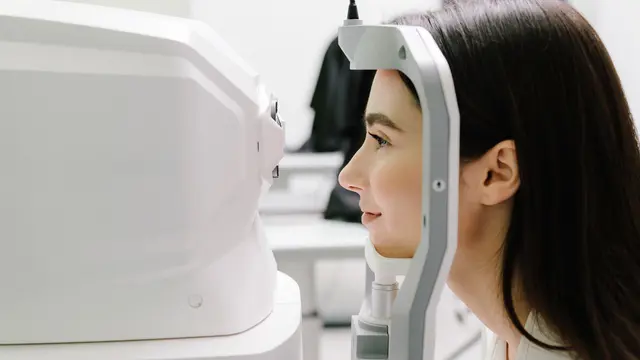
Dry Eye Diagnostic Testing
It is a spectrum of disorders with distinct underlying mechanisms — each requiring a different clinical response.
Learn More

Aqua IPL / Aqua Lifting
Dry eye syndrome is one of the most common and undertreated conditions in ophthalmology — affecting contact lens wearers, digital screen users, post-surgical patients, and adults over 40 with progressively declining tear film quality.
Learn More
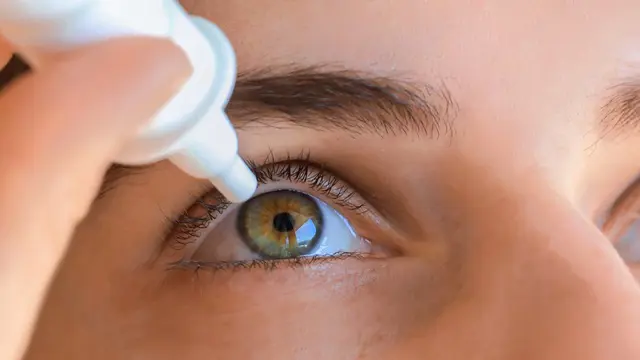
Autologous Serum Eye Drops
Autologous serum eye drops are a specialized therapeutic preparation in which a patient's own blood is processed to extract the serum — which is then formulated as personalized eye drops.
Learn More