Busan BGSS Eye Clinic · JCI-Accredited Ophthalmology Since 1997 · 7-Language Patient Care
JCI-Accredited · Since 1997
en-US
Specialty Overview
Dry Eye Syndrome Treatment
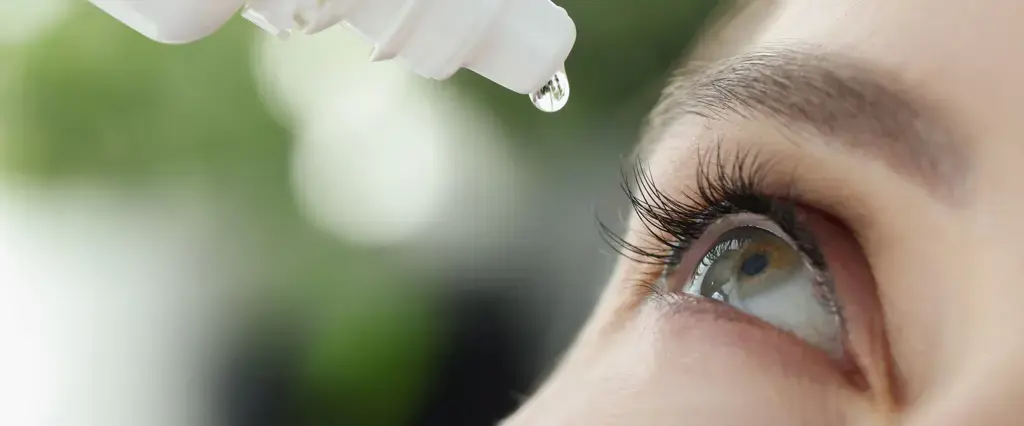
Dry Eye Syndrome is a condition of the tear film in which the eyes do not produce enough tears, or produce tears of poor quality, leading to insufficient lubrication of the eye's surface.
Schedule a ConsultationWhat Does Dry Eye Syndrome Treatment Mean in Ophthalmology?\n \n\nDry Eye Syndrome is a condition of the tear film in which the eyes do not produce enough tears, or produce tears of poor quality, leading to insufficient lubrication of the eye's surface. This imbalance can result from reduced tear production, excessive tear evaporation, or an imbalance in the composition of the tear film itself — and in many cases, the underlying cause relates to dysfunction of the meibomian glands, small glands along the eyelid margin responsible for secreting the oily layer that keeps tears from evaporating too quickly.\n\nLeft unaddressed, dry eye syndrome can progress beyond simple discomfort to cause corneal surface damage, and in more advanced cases, visible corneal scarring that can affect vision quality. Rather than treating every case of dry eye with artificial tears alone — an approach that addresses symptoms without necessarily resolving the underlying cause — Dry Eye Syndrome Treatment at Busan BGSS Eye Clinic begins with Dry Eye Diagnostic Testing to identify the specific mechanism behind each patient's symptoms, followed by a treatment approach tailored to that finding, which may include Aqua IPL, Aqua Lifting, or Autologous Serum Eye Drops.\n\n## Advanced Dry Eye Syndrome Treatment in Ophthalmology — Precision Care for Busan Patients\nPatients with chronic dry eye syndrome often describe a persistent grittiness or foreign-body sensation, eyes that feel heavy or fatigued by midday, sudden tearing in windy conditions, or difficulty keeping their eyes open comfortably after waking. For many, this has already led to long-term reliance on over-the-counter artificial tears — sometimes for a year or more — without meaningful improvement, along with growing frustration that no one has explained why the drops alone aren't working.\n\nPatients do not have to continue relying on temporary relief without addressing the underlying cause. Our Busan dry eye treatment program begins with Dry Eye Diagnostic Testing to determine the specific mechanism driving each patient's symptoms — whether reduced tear production, meibomian gland dysfunction, or another contributing factor — so that treatment through Aqua IPL, Aqua Lifting, or Autologous Serum Eye Drops can be matched to the actual cause rather than applied generically.\n\n## Dry Eye Syndrome Treatment Services & Treatments in Ophthalmology\n
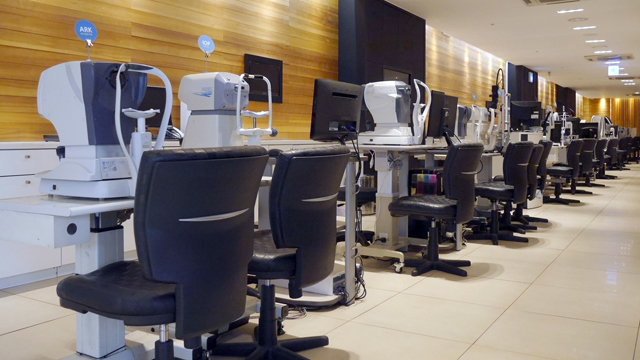
 \n\n### Dry Eye Diagnostic Testing\nA comprehensive diagnostic evaluation used to identify the underlying cause and severity of dry eye syndrome, forming the foundation for every treatment plan. Testing may include assessment of eye surface discomfort levels, tear film stability, meibomian gland function, and tear film quality, along with corneal imaging where clinically relevant. This diagnostic-first approach allows the treatment team to distinguish between evaporative and aqueous-deficient dry eye, since the two require different treatment strategies.\n\n### Aqua IPL / Aqua Lifting\nTwo advanced, FDA-approved treatment technologies used to address dry eye syndrome at its source. Aqua IPL (Intense Pulsed Light) applies targeted light therapy to the eyelid surface and surrounding area, using a thermal effect intended to improve the health of blood vessels associated with tear gland function and support meibomian gland recovery, without damaging the surrounding skin surface. Aqua Lifting uses radiofrequency energy to safely and effectively address dry eye symptoms associated with a loosened conjunctiva, penetrating the affected tissue to help stabilize the eye's surface without incision or sutures.\n\n### Autologous Serum Eye Drops\nA treatment approach in which components derived from the patient's own blood serum are used to formulate personalized eye drops, offering a biologically compatible option for patients with more severe or treatment-resistant dry eye syndrome who have not achieved sufficient relief from standard artificial tears alone.\n\nBusan BGSS Eye Clinic's approach of pairing Dry Eye Diagnostic Testing with targeted treatments like Aqua IPL, Aqua Lifting, and Autologous Serum Eye Drops under one roof allows our team to move beyond generic artificial tear recommendations toward a treatment plan addressing each patient's specific underlying cause.\n\n## Why Choose Busan BGSS Eye Clinic for Dry Eye Syndrome Treatment\n
 \n\n- An ophthalmology team with combined clinical focus in corneal health and wound healing, corneal disease management, and contact lens-related eye care — all directly relevant to evaluating and managing ocular surface and tear film conditions\n \n- Access to Aqua IPL and Aqua Lifting, both internationally approved technologies for addressing dry eye at its underlying source\n \n- Autologous Serum Eye Drops available for patients with more severe or treatment-resistant dry eye symptoms\n \n- Published research on amniotic membrane contact lens use for corneal wound healing, reflecting hands-on clinical experience with ocular surface repair\n \n- First ophthalmology clinic in Korea to receive Joint Commission International (JCI) accreditation\n \n- Conveniently located at Seomyeon Station in Busan, a key transportation and tourism hub, with in-house multilingual medical interpretation for international patients seeking dry eye treatment in Korea\n \n- Registered medical institution for foreign patients by South Korea's Ministry of Health and Welfare, recognized as an Excellent Medical Tourism Recruitment Institution\n \n\nThis combination of precise diagnostic testing, corneal surface expertise, and multiple FDA-approved treatment technologies is intended to give both local and international patients confidence that their dry eye syndrome is being addressed at its root cause, rather than managed with temporary symptom relief alone.\n\n## Meet the Dry Eye Syndrome Treatment Specialists at Busan BGSS Eye Clinic\n<table style="min-width: 200px;"><col style="min-width: 50px;"><col style="min-width: 50px;"><col style="min-width: 50px;"><col style="min-width: 50px;"><td colspan="1" rowspan="1" style="padding: 0px;"><p style="text-align: start;"><img src="https://synolinkcms.blob.core.windows.net/saas-01a1e895-544e-760f-94b7-cf38336826b4/images/dr-gil-ho-park-76e69186-acde-4f82-baee-2a2d2f304a13-5835c5bb.jpg\" alt="" title="" width="290" height="290">
<td colspan="1" rowspan="1" style="padding: 0px;"><p style="text-align: start;"><img src="https://synolinkcms.blob.core.windows.net/saas-01a1e895-544e-760f-94b7-cf38336826b4/images/dr-jeong-min-woo-032ae48b-94df-49af-8050-eab165a479bc-61031830.jpg\" alt="Dr. Jeong-Min Woo, corneal disease and dry eye specialist at Busan BGSS Eye Clinic." title="" width="290" height="290"><td colspan="1" rowspan="1" style="padding: 0px;"><p style="text-align: start;"><img src="https://synolinkcms.blob.core.windows.net/saas-01a1e895-544e-760f-94b7-cf38336826b4/images/dr-byung-uk-ko-43198136-c2f7-4553-adc4-451c598bfd63-0d11e3ae.jpg\" alt="Dr. Byung-Uk Ko, cornea health and wound healing director at Busan BGSS Eye Clinic." title="" width="290" height="290"><td colspan="1" rowspan="1" style="padding: 0px;"><p style="text-align: start;"><img src="https://synolinkcms.blob.core.windows.net/saas-01a1e895-544e-760f-94b7-cf38336826b4/images/dr-hyun-uk-shin-7f9fe76d-5014-4d31-9602-5b4fa1255faa-6e7f1d39.jpg\" alt="Dr. Hyun-Uk Shin, ophthalmologist and director at Busan BGSS Eye Clinic." title="" width="290" height="290"><td colspan="1" rowspan="1" style="padding: 0px;"><p style="text-align: center;"><span style="color: rgb(77, 152, 216);">Dr. Gil-Ho Park, M.D., Ph.D.


<span style="color: rgb(77, 152, 216);">Ophthalmologist<td colspan="1" rowspan="1" style="padding: 0px;"><p style="text-align: center;"><span style="color: rgb(77, 152, 216);">Dr. Jeong-Min Woo, M.D.
<span style="color: rgb(77, 152, 216);">Ophthalmologist<td colspan="1" rowspan="1" style="padding: 0px;"><p style="text-align: center;"><span style="color: rgb(77, 152, 216);">Dr. Byung-Uk Ko, M.D.
<span style="color: rgb(77, 152, 216);">Ophthalmologist<td colspan="1" rowspan="1" style="padding: 0px;"><p style="text-align: center;"><span style="color: rgb(77, 152, 216);">Dr. Hyun-Uk Shin, M.D.
<span style="color: rgb(77, 152, 216);">Ophthalmologist\n\n### Dr. Gil-Ho Park — Director, Busan BGSS Eye Clinic\nHolds a Doctor of Medicine (M.D.) and Ph.D., with a clinical focus that includes contact lens-related eye care and corneal and ocular health, alongside cataract and refractive surgery. His professional memberships include the Korean Contact Lens Society and the Contact Lens Research Society (United States), reflecting sustained clinical attention to ocular surface and lens-related conditions relevant to dry eye syndrome management.\n\n### Dr. Jeong-Min Woo — Director, Busan BGSS Eye Clinic\nHolds a Doctor of Medicine (M.D.), with a clinical focus that includes corneal disease management and contact lens-related eye care, alongside cataract and refractive surgery. His professional memberships include the Korean Corneal Disease Study Group (KCDSG) and the Korean Contact Lens Society.\n\n### Dr. Byung-Uk Ko — Director, Busan BGSS Eye Clinic\nHolds a Doctor of Medicine (M.D.), with a clinical focus specifically on cornea health and wound healing, alongside cataract and refractive surgery. His published research includes a study on the effects of amniotic membrane contact lenses for corneal wound healing, published in the Journal of the Korean Ophthalmological Society — directly relevant to managing ocular surface conditions, including dry eye-related corneal changes.\n\n### Dr. Hyun-Uk Shin — Director, Busan BGSS Eye Clinic\nHolds a Doctor of Medicine (M.D.), with a clinical focus that includes contact lens-related eye care alongside glaucoma management and retinal disease. His professional memberships include the Korean Contact Lens Society.\n\nTogether, this team's combined focus on corneal health, ocular surface wound healing, and contact lens-related eye care reflects a well-rounded, evidence-based approach to dry eye syndrome treatment at Busan BGSS Eye Clinic — extending from diagnostic testing through to ongoing ocular surface management.\n\n## International Patients & Global Support for Dry Eye Syndrome Treatment Care\nBusan BGSS Eye Clinic supports international patients traveling to Busan, Korea, for dry eye syndrome treatment through structured, in-house coordination designed to reduce the common barriers of language and logistics that often complicate medical travel.\n\n- In-house multilingual medical interpretation throughout reception, consultation, Dry Eye Diagnostic Testing, and treatment counseling\n \n- Coordinated scheduling for diagnostic testing and treatments such as Aqua IPL or Aqua Lifting within a condensed visit timeframe\n \n- Guidance on continued dry eye syndrome management for patients returning to their home country\n \n- Convenient location at Seomyeon Station, allowing patients to combine treatment visits with Busan's shopping, dining, and coastal attractions such as Haeundae and Gwangalli Beach\n \n\nFrom first contact through return home, our multilingual support systems are designed to help international patients navigate their dry eye syndrome treatment journey clearly, safely, and with minimal added stress.\n\n## Patient Journeys for Dry Eye Syndrome Treatment\n### Patient Case 1 — Long-Term Artificial Tear User with Persistent Symptoms\nA patient who has used artificial tears daily for over a year without meaningful relief typically undergoes Dry Eye Diagnostic Testing to identify whether meibomian gland dysfunction or another underlying mechanism is driving their symptoms. Depending on findings, the team may recommend Aqua IPL or Aqua Lifting as a more targeted treatment approach.\n\n### Patient Case 2 — Contact Lens Wearer with Ocular Surface Irritation\nA patient who wears contact lenses regularly and experiences ongoing surface irritation and dryness benefits from evaluation by a team experienced in both contact lens-related eye care and corneal health. Diagnostic testing helps determine whether the irritation stems primarily from lens wear or an underlying dry eye condition.\n\n### Patient Case 3 — Severe, Treatment-Resistant Dry Eye\nA patient who has tried multiple standard dry eye treatments without adequate improvement may be evaluated for Autologous Serum Eye Drops, a personalized option using components derived from the patient's own blood serum, following comprehensive diagnostic testing to confirm the severity and nature of their condition.\n\n## What to Expect From the Dry Eye Syndrome Treatment Process\n
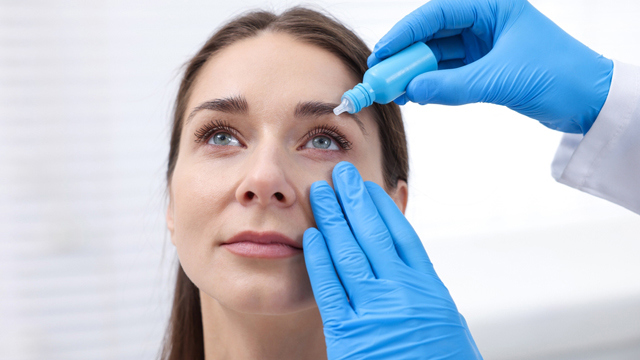 \n\n### Step 1: Dry Eye Diagnostic Testing\nPatients undergo a comprehensive evaluation of tear film stability, meibomian gland function, and eye surface health, forming the basis for identifying the specific underlying cause of their dry eye syndrome.\n\n### Step 2: Personalized Treatment Plan\nBased on diagnostic findings, the treatment team recommends an individualized approach — which may include Aqua IPL, Aqua Lifting, Autologous Serum Eye Drops, or a combination of approaches — tailored to the specific mechanism and severity of the patient's dry eye.\n\n### Step 3: Ongoing Follow-Up\nBecause dry eye syndrome often requires sustained management rather than a single treatment session, patients receive scheduled follow-up evaluations to monitor progress and adjust the treatment plan as needed, with multilingual coordination available for patients traveling from abroad to our Busan clinic.\n\n## Take the Next Step Toward Lasting Dry Eye Relief\nPersistent dry eye symptoms don't have to be managed with artificial tears alone. Our dry eye syndrome treatment program at Busan BGSS Eye Clinic begins with thorough diagnostic testing to identify the true cause of your symptoms, followed by a treatment plan that may include Aqua IPL, Aqua Lifting, or Autologous Serum Eye Drops.\n\nPrimary CTA: Schedule a Consultation\n\nReach out today to arrange your Dry Eye Diagnostic Testing with our specialist team in Busan and take the first step toward understanding what's actually causing your dry eye symptoms.\n\nSecondary contact: Speak with our multilingual patient care team for scheduling and consultation inquiries.
Related Services
Explore our comprehensive range of healthcare offerings tailored to your needs.
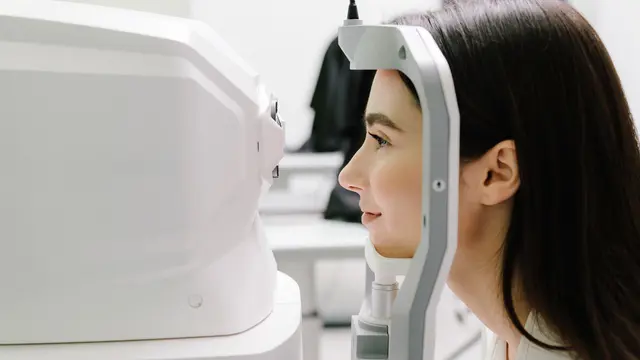
Dry Eye Diagnostic Testing
It is a spectrum of disorders with distinct underlying mechanisms — each requiring a different clinical response.
Learn More

Aqua IPL / Aqua Lifting
Dry eye syndrome is one of the most common and undertreated conditions in ophthalmology — affecting contact lens wearers, digital screen users, post-surgical patients, and adults over 40 with progressively declining tear film quality.
Learn More
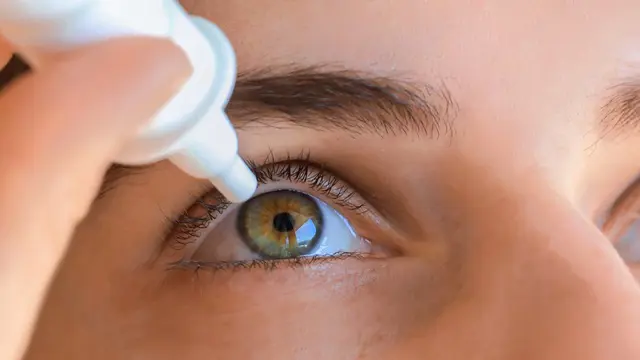
Autologous Serum Eye Drops
Autologous serum eye drops are a specialized therapeutic preparation in which a patient's own blood is processed to extract the serum — which is then formulated as personalized eye drops.
Learn More