Busan BGSS Eye Clinic · JCI-Accredited Ophthalmology Since 1997 · 7-Language Patient Care
JCI-Accredited · Since 1997
en-US
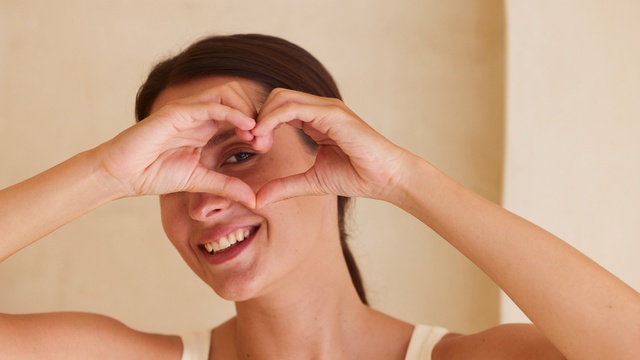
SMILE Vision Correction · Needs Clinic Confirmation
SMILE LASIK
SMILE LASIK — Small Incision Lenticule Extraction — is a flapless, blade-free laser vision correction procedure in which a femtosecond laser penetrates the corneal surface and separates a precisely shaped disc of stromal tissue.
Schedule a ConsultationWhat Is SMILE LASIK? Understanding Flapless Corneal Vision Correction in Busan
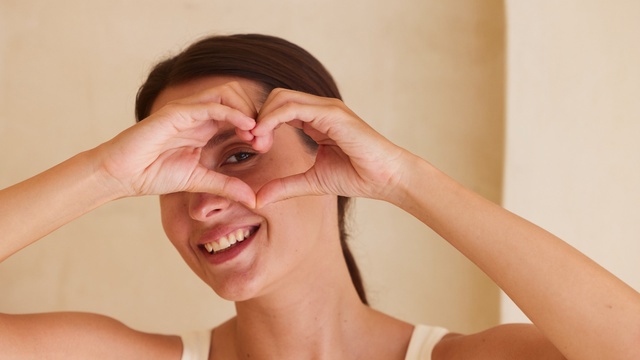
SMILE LASIK — Small Incision Lenticule Extraction — is a flapless, blade-free laser vision correction procedure in which a femtosecond laser penetrates the corneal surface and separates a precisely shaped disc of stromal tissue, called a lenticule, which is then removed through a microincision of approximately 2mm. Because no corneal flap is created at any stage, the cornea retains far greater structural integrity than in conventional LASIK, making SMILE LASIK the preferred option for patients with active lifestyles, dry eye sensitivity, or high refractive errors.
At Busan BGSS Eye Clinic in Seomyeon, Busanjin-gu, SMILE LASIK is performed exclusively on the ZEISS VISUMAX 500 and VISUMAX 800 platforms — the only laser systems approved to deliver the SMILE procedure — and is available in both the standard SMILE LASIK format and the newer SMILE Pro protocol, which introduces faster laser delivery and enhanced procedural precision. The procedure is FDA-approved, has been performed at the BGSS network for over a decade, and is supported by clinical outcome data presented at the Asia-Pacific Refractive Laser Symposium and the Korean Ophthalmological Society.
Compared with conventional LASIK, SMILE reduces the corneal incision area by more than 90%, significantly minimizing disruption to corneal nerves and the associated risk of post-operative dry eye. Compared with LASEK and PRK, there is no surface removal and recovery is substantially faster. For patients at the Seomyeon, Busanjin-gu clinic who are not suitable candidates for SMILE, the team offers ICL surgery and other advanced refractive alternatives to ensure every patient receives the most appropriate correction for their eye.
Who Is a Candidate for SMILE LASIK Vision Correction in Busan?
SMILE LASIK at Busan BGSS Eye Clinic in Seomyeon is suited to a wide range of patients seeking permanent vision correction, particularly those for whom corneal preservation and post-operative comfort are priorities. The refractive surgery team at the Busanjin-gu clinic conducts comprehensive pre-operative diagnostics to confirm suitability before any procedure is planned.
Ideal candidates for SMILE LASIK at the Busan clinic include:
Adults in their 20s–40s with stable myopia or myopic astigmatism who want to reduce or eliminate dependence on glasses or contact lenses
Patients with moderate to high myopia or astigmatism seeking a flapless procedure with a strong track record in complex refractive cases
Those with dry eye sensitivity who have been told they are not suitable for conventional LASIK due to tear film concerns — SMILE's reduced nerve disruption makes it a lower-risk alternative
Active individuals, athletes, military personnel, firefighters, or contact sports participants for whom a corneal flap presents a post-surgical risk — the flapless nature of SMILE eliminates this concern entirely
Patients seeking fast recovery who need to return to work or daily activities quickly — most patients at the Seomyeon, Busanjin-gu clinic resume normal routines the day after surgery
Those wanting to reduce keratoconus risk — SMILE's preservation of corneal biomechanical stability makes it preferable for patients near the lower threshold of corneal thickness acceptability
International patients traveling to Busan for vision correction who require multilingual coordination and a single-visit surgical pathway
SMILE LASIK is not appropriate in every case. The Busan BGSS team will advise against the procedure for patients with keratoconus or corneal ectasia risk, Avellino corneal dystrophy gene carriers, extremely thin corneas, active ocular disease such as uveitis or keratitis, or vision that has not yet stabilized (generally under 18 years of age). Patients who do not meet SMILE criteria are guided toward suitable alternatives at the Seomyeon clinic, including ICL surgery.
Meet the SMILE LASIK Specialists at Busan BGSS Eye Clinic, Seomyeon
|
|
|
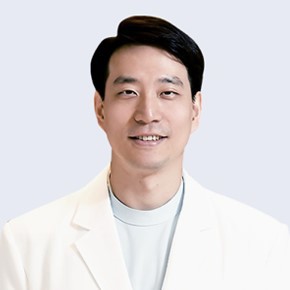
Dr. Gil-Ho Park, M.D., Ph.D. | Dr. Jeong-Min Woo, M.D. | Dr. Byung-Uk Ko, M.D. |
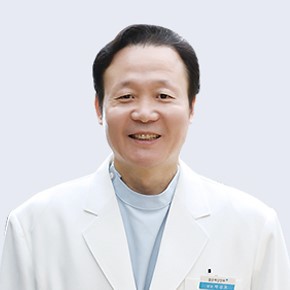
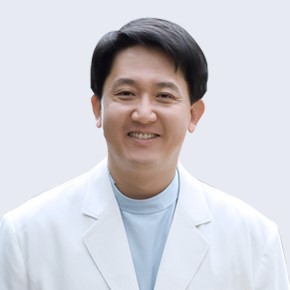
Dr. Gil-Ho Park, M.D., Ph.D. Director, Busan BGSS Eye Clinic | Visiting Professor, Sungkyunkwan University School of Medicine Dr. Park's clinical focus encompasses cataract surgery, refractive surgery including LASIK, and corneal and contact lens care. He holds dual international memberships in the American Academy of Ophthalmology and the American Society of Cataract and Refractive Surgery — a profile that reflects both his surgical depth and his engagement with global advances in refractive technique.
Dr. Jeong-Min Woo, M.D. Director, Busan BGSS Eye Clinic | Visiting Professor, Dong-A University School of Medicine | Clinical Instructor, Dong-A University Hospital Dr. Woo brings expertise in LASIK, PRK, and cataract surgery alongside a specialized focus on corneal disease and management of ocular adnexal conditions. His academic presentations at ARVO and the Chinese Ophthalmological Society reflect a research-grounded approach to refractive care at the Seomyeon, Busanjin-gu clinic.
Dr. Byung-Uk Ko, M.D. Director, Busan BGSS Eye Clinic | Visiting Professor, Dong-A University School of Medicine Dr. Ko's practice centers on corneal health and wound healing, refractive surgery, and oculoplastic assessment. His published research on corneal wound healing using amniotic membrane contact lenses and on age-related periocular tissue changes informs the conservative, tissue-protective philosophy that underpins SMILE LASIK at the Busan clinic. He was commended by Korea's Minister of Health and Welfare on Health Day in 2013.
The three directors managing SMILE LASIK at Busan BGSS Eye Clinic share a common clinical philosophy: precision-first surgical planning, patient-specific candidacy evaluation, and outcome transparency — ensuring that every patient seen at the Seomyeon, Busanjin-gu facility receives a recommendation based on their individual corneal data rather than a standardized protocol.
SMILE LASIK Treatment Areas and Vision Improvements at Busan BGSS Eye Clinic
Myopia (Nearsightedness): SMILE LASIK at the Seomyeon, Busanjin-gu clinic precisely reshapes the corneal stroma to reduce the eye's excessive focusing power, correcting myopia across a wide diopter range. The procedure's strong suction fixation system controls even microscopic eye movement during laser delivery, ensuring the lenticule is extracted with consistent accuracy regardless of refractive depth. Patients with moderate to high myopia have been among the most reliable beneficiaries of SMILE at the Busan BGSS clinic.
Astigmatism and Combined Myopic Astigmatism: SMILE LASIK corrects astigmatism by reshaping the uneven corneal curvature responsible for blurred or distorted vision at all distances. The ZEISS VISUMAX system's direct eye fixation method — without reliance on an external eye tracker — allows the surgical team to achieve precise astigmatic axis alignment throughout the procedure. Clinical data from the BGSS network, presented at the 2016 Asia-Pacific Refractive Laser Symposium, demonstrated that high astigmatism of -2.33D was reduced to within -0.25D in 99% or more of cases.
Corneal Structural Integrity: By reducing the incision area by more than 90% relative to conventional LASIK, SMILE LASIK at the Busanjin-gu, Busan facility preserves the anterior corneal stroma and the majority of corneal nerves. This directly reduces the incidence of post-operative dry eye syndrome and supports long-term corneal biomechanical stability — a particular advantage for patients with higher prescriptions who require deeper stromal correction.
Post-Operative Visual Quality: Beyond pure acuity, SMILE LASIK at Busan BGSS Eye Clinic targets visual quality improvements including reduced halos and glare compared with conventional LASIK, attributable in part to the preservation of corneal surface integrity. Most patients at the Seomyeon clinic notice a significant improvement in contrast sensitivity and clarity within the first few days following surgery. Results vary by individual corneal anatomy and refractive prescription, and no specific visual outcome can be guaranteed for any patient.
SMILE LASIK Procedure Steps and Recovery Timeline at Busan BGSS Eye Clinic

SMILE LASIK at Busan BGSS Eye Clinic in Seomyeon, Busanjin-gu is completed in approximately 10 minutes per eye under topical anaesthetic drops, with no injections and no general anaesthesia required. The full surgical pathway is as follows:
Pre-Operative Consultation and Diagnostic Assessment — The Busan clinic conducts a comprehensive eye examination covering corneal topography, pachymetry (corneal thickness measurement), refraction, tear film analysis, and pupil size mapping. This data determines candidacy, defines the lenticule parameters, and confirms the most appropriate SMILE protocol — standard SMILE LASIK or SMILE Pro — for each patient's corneal profile.
Eye Fixation and Laser Alignment — The ZEISS VISUMAX system applies a gentle upward suction to stabilize the eye directly. An automated pressure-sensing system continuously monitors and adjusts for patient movement, controlling micro-motion throughout laser delivery without requiring a separate eye-tracking device. This top-down fixation method is central to the suction loss prevention that defines SMILE's safety profile.
Femtosecond Laser Delivery — Ultra-precision scanning technology delivers the femtosecond laser at a personalized intensity and pattern, separating the stromal lenticule at the correct depth and curvature. The patented Side Cut technology creates the microincision at a 70-degree edge angle of 2mm or less, protecting the lenticule from tearing or deformation — particularly important in low-to-moderate myopia corrections where the lenticule is thinner.
Lenticule Extraction — The surgeon extracts the precisely shaped lenticule through the microincision. No flap is lifted, no blade is used, and the corneal surface remains structurally continuous. The entire laser and extraction sequence typically takes under 30 seconds of active laser time per eye.
Immediate Post-Operative Care — Patients rest briefly at the Seomyeon, Busanjin-gu clinic before being discharged with prescribed antibiotic and anti-inflammatory eye drops, artificial tears, and written aftercare instructions. Mild light sensitivity and temporary blurring are normal in the first few hours. Most patients notice functional vision improvement within hours of leaving the Busan clinic.
Follow-Up and Vision Stabilization — A follow-up appointment is scheduled for the day after surgery at the Busanjin-gu clinic. The majority of patients achieve 0.8 or better uncorrected vision by this first review. Final visual acuity typically stabilizes over the following weeks, with most patients reaching 1.0 or better uncorrected vision. Subsequent follow-up visits monitor healing, refractive stability, and corneal recovery.
SMILE LASIK Results, Safety Profile, and Longevity
SMILE LASIK at Busan BGSS Eye Clinic delivers clinically documented outcomes: 94% of patients achieve 0.8 or better uncorrected vision by the day after surgery, and 98% reach 1.0 or better uncorrected vision as a final result — figures presented at the Asia-Pacific Refractive Laser Symposium and the Korean Ophthalmological Society Academic Conference based on a 300-patient cohort. For astigmatism, the Seomyeon clinic's data shows high astigmatism averaging -2.33D corrected to within -0.25D in over 99% of cases. Results vary by individual and no specific outcome is guaranteed.
SMILE is FDA-approved, and at the Busanjin-gu, Busan facility its safety profile is reinforced by the VISUMAX platform's continuous automated suction monitoring, the patented Side Cut technology protecting lenticule integrity during extraction, and the flapless design that eliminates flap-related complications entirely. Potential side effects — temporary dry eye, light sensitivity, mild halos — are generally transient and resolve as the cornea heals. Serious complications are uncommon; thorough pre-operative screening at the Seomyeon clinic minimizes risk further.
SMILE LASIK produces a permanent structural change to the cornea, and for patients who meet candidacy criteria with a stable pre-operative prescription, correction typically remains stable long term. Age-related changes such as presbyopia develop independently and are not addressed by the procedure. The Busan BGSS team discusses realistic long-term expectations with every patient before surgery is planned.
Why Choose Busan BGSS Eye Clinic in Seomyeon for SMILE LASIK?
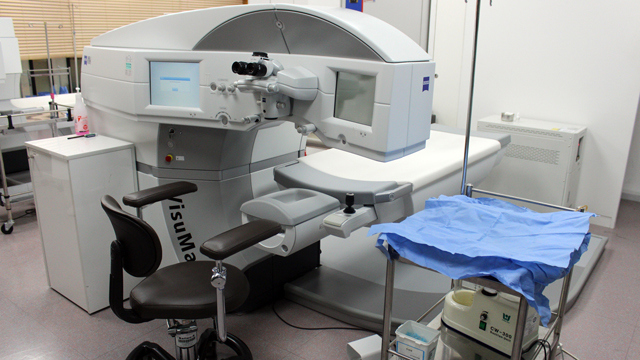
Vision correction outcomes depend on diagnostic precision and surgical experience built over decades, which is why Busan BGSS Eye Clinic, located in Seomyeon, Busanjin-gu, Busan, has structured its SMILE LASIK program around five senior directors each holding concurrent academic appointments at major regional universities. The refractive surgery team — led by Dr. Gil-Ho Park, Visiting Professor at Sungkyunkwan University School of Medicine and dual member of the AAO and ASCRS, and supported by Dr. Jeong-Min Woo and Dr. Byung-Uk Ko, both Visiting Professors at Dong-A University School of Medicine — brings specialized corneal, refractive, and wound-healing expertise to every case evaluated at the Seomyeon facility. Surgical planning draws on ZEISS VISUMAX 500/800 and MEL-90 platforms, with the full BGSS diagnostic and surgical suite available for complex or multi-condition cases.
As the founding location of the BGSS network, operating continuously since 1997 from Seomyeon, Busanjin-gu, the Busan clinic has accumulated over 330,000 vision correction surgeries — the highest volume across the network. Its institutional standing is matched by formal recognition:
First ophthalmology clinic in Korea to receive JCI accreditation — maintained across four accreditation cycles
Designated an Advanced Regenerative Medicine Institution and Asia-Pacific Regional Center for EVO ICL Training (2026)
Key Medical Tourism Cooperative Institution, City of Busan — with in-house interpretation in Chinese, English, Japanese, Mongolian, Russian, Vietnamese, and Indonesian
330,000+ vision correction surgeries performed since 1997 at the Seomyeon, Busanjin-gu location
Patient Experiences: SMILE LASIK at Busan BGSS Eye Clinic, Seomyeon
Patient Vignette 1 — High Myopia, Early 30s
A patient in their early 30s visiting Busan BGSS Eye Clinic from abroad had been wearing glasses since childhood and was concerned about suitability for laser correction given a high myopic prescription. After pre-operative diagnostics at the Seomyeon, Busanjin-gu clinic confirmed adequate corneal thickness and stable refraction, SMILE LASIK was performed on the ZEISS VISUMAX 800. By the follow-up appointment the next morning, uncorrected vision had improved substantially, and the patient returned to normal activities the same day. No significant dry eye symptoms were reported during recovery.
Patient Vignette 2 — Astigmatism with Dry Eye History, Late 20s
A patient in their late 20s based in Busan had previously been advised against conventional LASIK due to borderline dry eye scores. Following a comprehensive tear film and corneal evaluation at the Seomyeon clinic, the refractive team confirmed SMILE LASIK as the more appropriate option given its significantly lower impact on corneal nerves. Surgery was completed in under 15 minutes for both eyes, and the patient reported comfortable, clear vision within two days with minimal post-operative dryness. Individual results vary and no outcome is guaranteed.
Take the First Step Toward Clear Vision in Busan
If you have been living with myopia, astigmatism, or contact lens dependence and are ready to explore a safer, flapless alternative to conventional laser eye surgery, the team at Busan BGSS Eye Clinic in Seomyeon, Busanjin-gu is ready to evaluate your suitability for SMILE LASIK. With over 330,000 vision correction procedures performed since 1997, JCI accreditation, ZEISS VISUMAX 500/800 technology, and a five-director specialist team holding university professorships across Busan's leading medical schools, the Seomyeon clinic offers the diagnostic depth and surgical precision that complex refractive cases demand. International patients are supported from first contact through post-operative follow-up in Chinese, English, Japanese, Mongolian, Russian, Vietnamese, and Indonesian — with scheduling and aftercare coordination handled directly by the Busan BGSS team.
**[Book Your Free SMILE LASIK Consultation at Busan BGSS Eye Clinic](/contact-us)
Other Services
Explore our comprehensive range of healthcare offerings tailored to your needs.
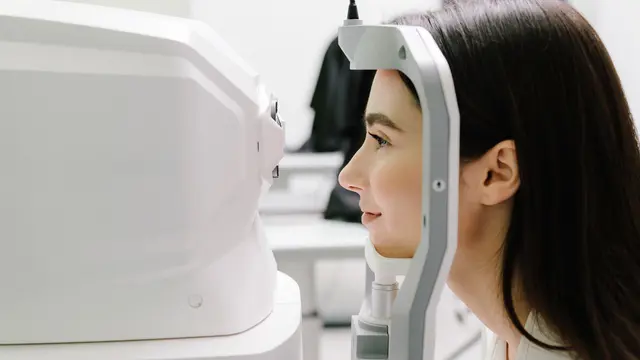
Dry Eye Diagnostic Testing
It is a spectrum of disorders with distinct underlying mechanisms — each requiring a different clinical response.
Learn More

Aqua IPL / Aqua Lifting
Dry eye syndrome is one of the most common and undertreated conditions in ophthalmology — affecting contact lens wearers, digital screen users, post-surgical patients, and adults over 40 with progressively declining tear film quality.
Learn More
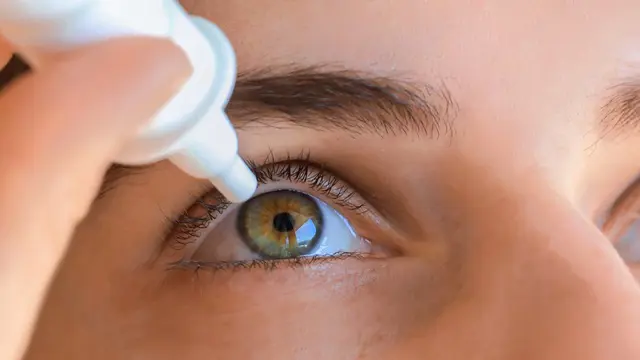
Autologous Serum Eye Drops
Autologous serum eye drops are a specialized therapeutic preparation in which a patient's own blood is processed to extract the serum — which is then formulated as personalized eye drops.
Learn More