Busan BGSS Eye Clinic · JCI-Accredited Ophthalmology Since 1997 · 7-Language Patient Care
JCI-Accredited · Since 1997
en-US

Retina & Glaucoma Care · Needs Clinic Confirmation
Retinal Disease
The retina is the light-sensitive neural tissue lining the back of the eye that converts visual information into signals sent to the brain.
Schedule a ConsultationWhat Is Retinal Disease? Understanding the Risks to Your Vision in Busan
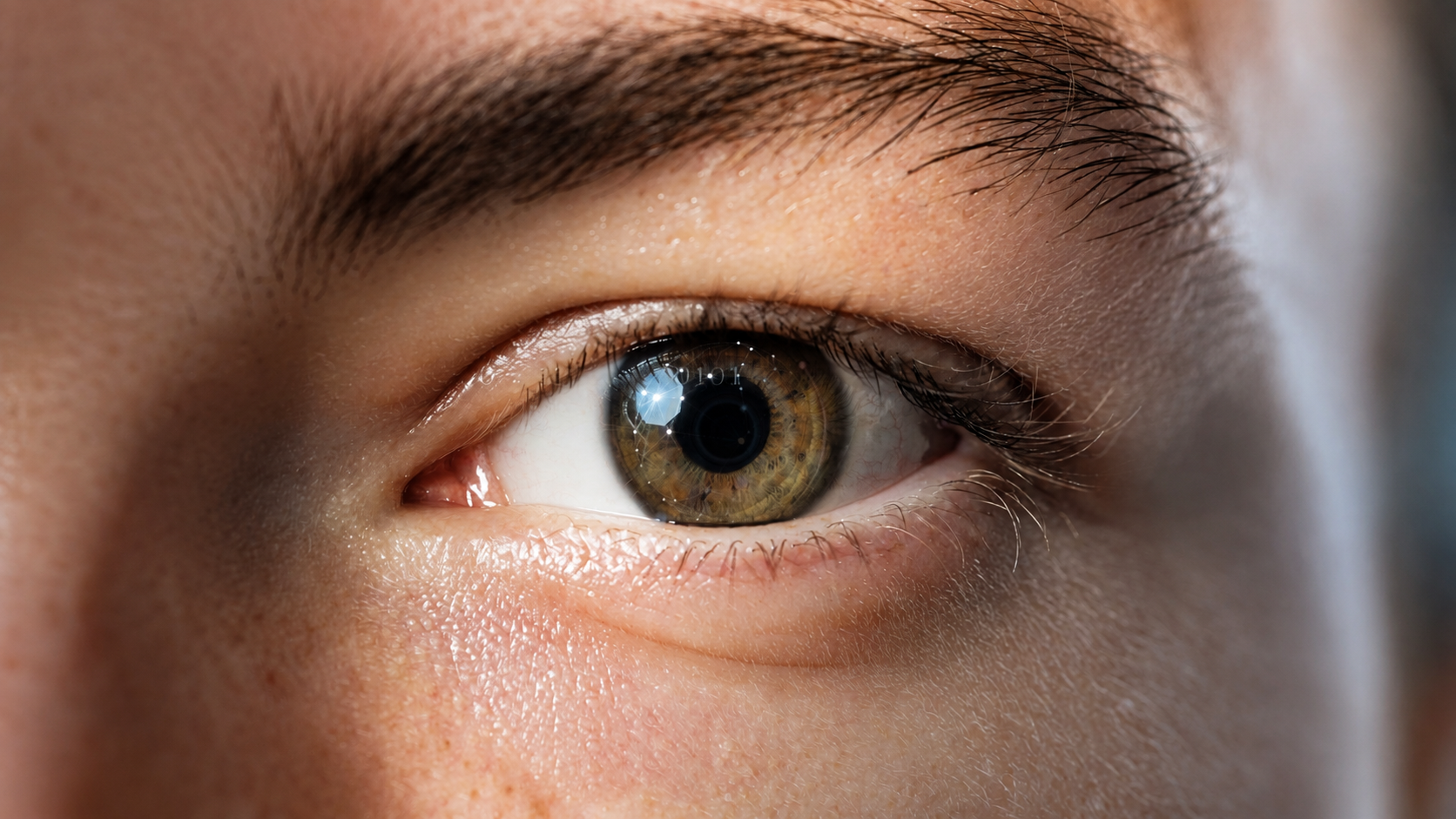
The retina is the light-sensitive neural tissue lining the back of the eye that converts visual information into signals sent to the brain. When damaged by disease, injury, or age-related degeneration, the resulting vision loss ranges from distorted central vision to complete and permanent blindness. Retinal disease encompasses conditions requiring urgent surgical intervention — retinal detachment, macular hole — alongside conditions requiring ongoing medical management such as diabetic retinopathy, macular degeneration, and central serous retinopathy.
Retinal disease and glaucoma rank among Korea's three leading causes of blindness. What makes these conditions particularly dangerous is their tendency to progress silently — many patients notice no symptoms until significant and often irreversible damage has already occurred. At Busan BGSS Eye Clinic in Seomyeon, Busanjin-gu, the Retina & Glaucoma Center's one-click treatment system was built to address this directly: advanced diagnostic equipment, specialist retina care, and full treatment capability within the same facility — eliminating the referral delays that cost patients the treatment window they cannot afford to lose. The center operates with the diagnostic and surgical systems of a tertiary medical institution, without the additional specialist fees charged at university hospitals, making long-term retinal disease management at the Seomyeon clinic both clinically comprehensive and economically accessible.
Who Needs Retinal Disease Evaluation in Busan?
The retina specialist team at Busan BGSS Eye Clinic evaluates each patient's retinal status, condition type, and urgency individually. Patients who should seek evaluation at the Seomyeon, Busanjin-gu clinic include:
Those experiencing sudden floaters, light flashes, or a curtain-like shadow across vision — warning signs of retinal detachment requiring urgent evaluation; delay significantly worsens surgical outcomes at the Busan facility
Patients with diabetes — diabetic retinopathy requires regular retinal screening regardless of current visual symptoms at the Seomyeon clinic
Adults over 40 with central vision distortion or dark spots — potential indicators of macular disease requiring OCT assessment at the Busanjin-gu, Busan clinic
Those with high myopia — extreme myopia significantly increases risk of retinal detachment, macular hole, and peripheral retinal degeneration
Patients with a family history of retinal detachment or inherited retinal dystrophy — hereditary conditions require earlier and more frequent surveillance at the Seomyeon facility
Those with previous eye trauma — blunt or penetrating injury can cause delayed retinal tears weeks or months after the event
Patients scheduled for vision correction surgery — retinal screening at the Busan BGSS facility before LASIK, SMILE, or ICL identifies conditions requiring treatment before refractive surgery proceeds
International patients traveling to Busan requiring retinal assessment or ongoing treatment with multilingual coordination
Meet the Retinal Disease Specialists at Busan BGSS Eye Clinic, Seomyeon
|
|
|
Dr. Jong-Ho Park, M.D. | Dr. Hyun-Uk Shin, M.D. | Dr. Jeong-Min Woo, M.D. |



Dr. Jong-Ho Park, M.D., Master of Medicine Director, Busan BGSS Eye Clinic | Associate Professor of Retina, Yangsan Pusan National University Hospital | Associate Professor of Pediatric Retina, Pusan National University Children's Hospital Dr. Jong-Ho Park is the primary retina and vitreoretinal specialist at the Seomyeon, Busanjin-gu clinic, covering retinal detachment, macular hole surgery, vitreoretinal surgery, pediatric retina, and neuro-ophthalmology. His concurrent academic appointments at two Pusan National University hospitals and published research in the British Journal of Ophthalmology on macular hole surgery techniques reflect the surgical depth he brings to complex vitreoretinal cases at the Busan facility.
Dr. Hyun-Uk Shin, M.D. Director, Busan BGSS Eye Clinic | Visiting Professor, Dong-A University School of Medicine Dr. Shin's combined expertise in glaucoma, retinal disease, vitreoretinal surgery, and neuro-ophthalmology provides integrated posterior segment management for patients whose presentations involve both retinal disease and elevated intraocular pressure at the Seomyeon clinic. Published research on vitrectomy outcomes in rhegmatogenous retinal detachment reflects the surgical retina experience he brings to the Busanjin-gu, Busan facility.
Dr. Jeong-Min Woo, M.D. Director, Busan BGSS Eye Clinic | Visiting Professor, Dong-A University School of Medicine Dr. Woo's glaucoma-related care and ocular adnexal expertise supports multi-condition management at the Retina & Glaucoma Center — particularly for patients whose retinal presentations are accompanied by anterior segment or glaucomatous findings requiring coordinated care at the Seomyeon, Busanjin-gu clinic.
The three specialists share a consistent clinical principle: the treatment window for retinal disease is finite — diagnostic speed, surgical readiness, and long-term management continuity at the Seomyeon clinic are clinical requirements, not optional features.
Retinal Conditions Treated at Busan BGSS Eye Clinic
Retinal Detachment: A sight-threatening emergency requiring urgent surgical intervention — vitrectomy or scleral buckling — at the Seomyeon, Busanjin-gu clinic. Symptoms include sudden floaters, light flashes, and a spreading shadow across vision. Outcomes are significantly better when surgery is performed before detachment reaches the macula. The one-click system at the Busan BGSS facility enables rapid transition from presentation to surgical intervention.
Macular Hole: A full-thickness defect in the central retina causing a central blind spot and distorted vision. Treated with pars plana vitrectomy and internal limiting membrane peeling at the Seomyeon clinic. Dr. Jong-Ho Park's published comparative research on ILM insertion versus inverted flap techniques in the British Journal of Ophthalmology reflects the surgical expertise applied to macular hole cases at the Busanjin-gu, Busan facility.
Diabetic Retinopathy: The leading cause of preventable blindness in working-age adults worldwide. Managed at the Seomyeon clinic from regular surveillance in early non-proliferative disease to intravitreal anti-VEGF injection, laser photocoagulation, and vitreoretinal surgery in proliferative cases. Regular screening is essential for all diabetic patients at the Busan BGSS facility regardless of current symptoms.
Macular Degeneration and Central Serous Retinopathy: Age-related macular degeneration — dry and wet — alongside central serous retinopathy, epiretinal membrane, and vitreomacular traction are diagnosed through OCT imaging and managed with observation, intravitreal injection, or laser treatment at the Busanjin-gu, Busan clinic based on severity and progression.
Retinitis Pigmentosa and Inherited Retinal Dystrophies: Long-term monitoring with regular visual field assessment, OCT imaging, and progression counseling through the BGSS staged tracking management program at the Seomyeon, Busanjin-gu clinic.
The One-Click Retina & Glaucoma System at Busan BGSS Eye Clinic
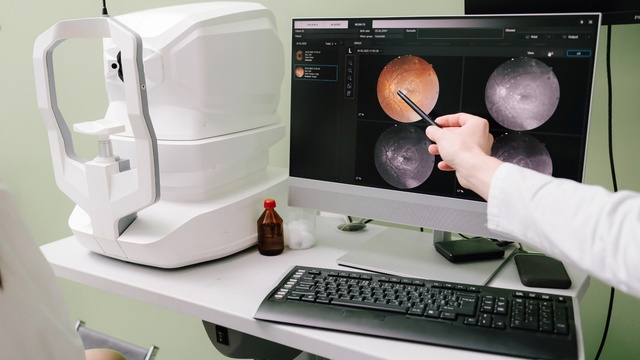
Advanced Equipment — CIRRUS 5000 and DRI-OCT1 for high-resolution and deep-range OCT; DAYTONA wide-angle fundus imaging; Humphrey visual field analyzer; VISUCAM fundus photography; Constellation vitreoretinal surgical system; Pascal and Argon laser platforms — all at the Seomyeon, Busanjin-gu clinic.
One-Stop Care — From initial presentation through diagnostics, specialist consultation, and treatment — all within the Busanjin-gu, Busan clinic. No external referral, no repeated testing at a separate institution. For time-sensitive conditions like retinal detachment, this matters clinically.
Economical Management — Retinal disease often requires long-term repeated treatment. At the Seomyeon clinic, tertiary-level equipment and specialist care is provided without the additional specialist consultation fees charged at university hospitals — making sustained retinal management financially accessible at the Busan BGSS facility.
Retinal Disease Results, Safety, and Long-Term Management
Retinal disease outcomes depend fundamentally on how early treatment is initiated — particularly for retinal detachment and wet AMD, where hours and days determine whether central vision can be preserved. At Busan BGSS Eye Clinic in Seomyeon, Busanjin-gu, the one-click system minimizes the gap between detection and intervention, and the three-specialist retina team provides the surgical and medical management depth that complex retinal cases require. Individual outcomes vary significantly based on disease type, stage at presentation, and systemic health factors. No specific visual outcome is guaranteed.
Long-term management at the Busanjin-gu, Busan clinic follows a staged tracking protocol — with scheduled OCT imaging, visual acuity monitoring, and treatment adjustment based on disease activity. Concurrent conditions — glaucoma, cataract, dry eye — are managed within the same multi-specialist team at the Seomyeon facility without external referral. From age 40, annual retinal screening is recommended regardless of symptoms, as many of the conditions most effectively treated at this clinic are clinically silent in their earliest and most treatable stages.
Why Choose Busan BGSS Eye Clinic in Seomyeon for Retinal Disease Treatment?
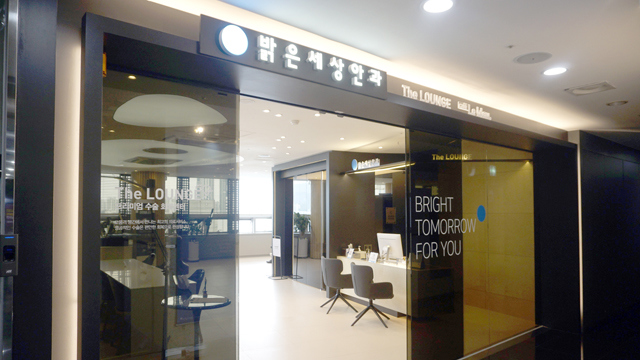
Retinal disease demands a specialist with surgical depth, rapid diagnostic capability, and the structural support to manage long-term complex cases. Busan BGSS Eye Clinic in Seomyeon, Busanjin-gu provides all three — through Dr. Jong-Ho Park's retina specialty anchored by two Pusan National University hospital appointments, Dr. Hyun-Uk Shin's combined retina and glaucoma surgical expertise, and the one-click treatment system that eliminates referral delays for time-sensitive conditions. As the founding BGSS location since 1997 with 330,000+ procedures performed, the Seomyeon clinic's credentials are clear:
First ophthalmology clinic in Korea to receive JCI accreditation — four cycles
Tertiary-level retina equipment — OCT, wide-angle fundus, Constellation vitreoretinal system, Pascal and Argon laser at the Busanjin-gu, Busan facility
One-click diagnosis to treatment — no external referral, no fragmented care pathway at the Seomyeon clinic
Economical long-term management — university hospital-level care without additional specialist fees
Key Medical Tourism Cooperative Institution, City of Busan — multilingual support in Chinese, English, Japanese, Mongolian, Russian, Vietnamese, and Indonesian
Patient Experiences: Retinal Disease at Busan BGSS Eye Clinic, Seomyeon
Patient Vignette 1 — Retinal Detachment, Late 30s
A patient in their late 30s with high myopia attending the Seomyeon, Busanjin-gu clinic for a pre-LASIK retinal screening was found to have peripheral retinal degeneration with early tractional changes on wide-angle fundus imaging. Laser retinopexy was performed at the Busan BGSS facility before vision correction surgery proceeded. The patient's retina was stable at subsequent follow-up and refractive surgery was completed safely. Results vary; no outcome is guaranteed.
Patient Vignette 2 — Diabetic Retinopathy, Early 50s
A patient in their early 50s traveling to Busan with a long-standing diabetes diagnosis had not undergone retinal screening for several years. Fundus photography and OCT at the Seomyeon, Busanjin-gu clinic identified early non-proliferative diabetic retinopathy. The patient was enrolled in the BGSS staged retinal monitoring program, with six-monthly review appointments and lifestyle guidance on glycemic control and retinal risk. No immediate intervention was required. Individual findings vary and no diagnostic outcome is guaranteed.
Protect Your Retina — Book Your Retinal Disease Consultation in Busan
Retinal disease cannot be reversed once significant damage has occurred — but early detection and timely treatment at the right facility can preserve vision that would otherwise be permanently lost. The specialist retina team at Busan BGSS Eye Clinic in Seomyeon, Busanjin-gu is ready to evaluate your retinal health — whether you have active symptoms, carry risk factors, or need pre-surgical screening before vision correction. JCI accredited. Tertiary-level equipment. One-click diagnosis to treatment. Multilingual support in Chinese, English, Japanese, Mongolian, Russian, Vietnamese, and Indonesian.
**[Book Your Retinal Disease Consultation at Busan BGSS Eye Clinic](/contact-us)
Other Services
Explore our comprehensive range of healthcare offerings tailored to your needs.
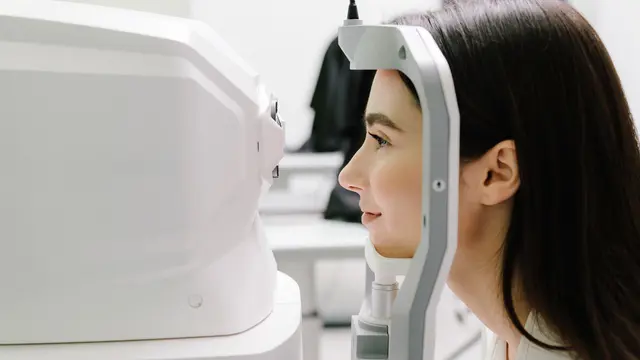
Dry Eye Diagnostic Testing
It is a spectrum of disorders with distinct underlying mechanisms — each requiring a different clinical response.
Learn More

Aqua IPL / Aqua Lifting
Dry eye syndrome is one of the most common and undertreated conditions in ophthalmology — affecting contact lens wearers, digital screen users, post-surgical patients, and adults over 40 with progressively declining tear film quality.
Learn More
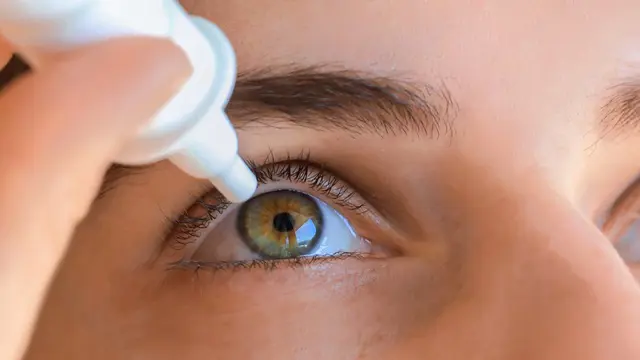
Autologous Serum Eye Drops
Autologous serum eye drops are a specialized therapeutic preparation in which a patient's own blood is processed to extract the serum — which is then formulated as personalized eye drops.
Learn More