Busan BGSS Eye Clinic · JCI-Accredited Ophthalmology Since 1997 · 7-Language Patient Care
JCI-Accredited · Since 1997
en-US


Retina & Glaucoma Care · Needs Clinic Confirmation
Macular Degeneration
Age-related macular degeneration (AMD) is a progressive disease of the macula — the central region of the retina responsible for sharp, detailed, and color-accurate central vision.
Schedule a ConsultationWhat Is Macular Degeneration? Understanding AMD and Its Risk to Your Vision in Busan

Age-related macular degeneration (AMD) is a progressive disease of the macula — the central region of the retina responsible for sharp, detailed, and color-accurate central vision. The macula contains the highest concentration of photoreceptor cells in the eye, making it the structure most critical for reading, recognizing faces, driving, and any task requiring fine visual detail. As the macula deteriorates with age, central vision becomes distorted, blurred, or lost — while peripheral vision typically remains intact. AMD is currently the leading cause of blindness worldwide, and its prevalence increases sharply with age: from 3.4% in the 40s to 14.2% in the 50s, 17.4% in the 60s, and 24.8% in the 70s, according to Korea's National Health and Nutrition Survey.
A critical challenge with AMD is that its early stages are easily confused with normal presbyopia — patients may notice only that their vision varies with their condition, or that straight lines appear very slightly curved. By the time central vision loss becomes clearly noticeable, significant and irreversible macular damage has often already occurred. At Busan BGSS Eye Clinic in Seomyeon, Busanjin-gu, the retina specialist team's approach to AMD is therefore built on early detection through systematic examination rather than waiting for symptomatic presentation — because the window for effective intervention is widest before central vision deteriorates at the Busanjin-gu, Busan facility.
AMD exists in two forms with fundamentally different risk profiles. Dry AMD — affecting approximately 80% of AMD patients — involves drusen deposits or retinal pigment epithelium atrophy and carries a blindness risk of approximately 10–20%, with the risk of progression to wet AMD. Wet AMD — affecting approximately 20% of patients — involves abnormal choroidal neovascularization whose rupture causes rapid macular hemorrhage and exudate, with a blindness risk of approximately 80–90% if untreated. Treatment urgency is therefore substantially higher for wet AMD, where rapid initiation of anti-VEGF therapy at the Seomyeon clinic can preserve vision that would otherwise be permanently lost.
Who Needs Macular Degeneration Evaluation in Busan?
AMD and macular disease affect a wide range of patients, from those with established diagnoses seeking ongoing treatment to those who have not yet been screened but carry significant risk factors. The retina specialist team at Busan BGSS Eye Clinic in Seomyeon evaluates each patient's macular status, disease stage, and treatment needs individually. Those who should seek evaluation at the Busanjin-gu, Busan clinic include:
Adults over 40 with no current eye symptoms — AMD prevalence begins rising significantly from the 40s, and the condition is frequently asymptomatic in its early stages; annual or bi-annual screening at the Seomyeon clinic is recommended from this age
Those noticing distortion, waviness, or gaps in straight lines — buildings, door frames, tiled floors, or text appearing curved or broken are among the earliest self-detectable signs of AMD
Patients experiencing a dark or blank spot in central vision — central scotoma is a hallmark symptom of advancing AMD requiring urgent evaluation at the Busan facility
Those with reduced color discrimination or variable central vision — vision that fluctuates with general condition rather than remaining stable may indicate early macular change
Patients with a family history of AMD — hereditary risk is a significant AMD factor requiring earlier and more frequent monitoring at the Seomyeon, Busanjin-gu clinic
Those with systemic conditions including cardiovascular disease, hypertension, and high cholesterol — all associated with increased AMD risk
Patients already diagnosed with dry AMD who require monitoring for wet AMD conversion and assessment for prophylactic intervention at the Busanjin-gu, Busan facility
International patients traveling to Busan for ophthalmology care who need a comprehensive retinal assessment with multilingual coordination and treatment continuity planning
AMD is frequently accompanied by other age-related ocular conditions — presbyopia, cataract, and glaucoma — whose concurrent management is available within the same multi-specialist team at the Seomyeon clinic, without external referral.
Meet the Macular Degeneration Specialists at Busan BGSS Eye Clinic, Seomyeon
|
|
|
Dr. Hyun-Uk Shin, M.D. | Dr. Jong-Ho Park, M.D. | Dr. Jeong-Min Woo, M.D. |



Dr. Hyun-Uk Shin, M.D. Director, Busan BGSS Eye Clinic | Visiting Professor, Dong-A University School of Medicine Dr. Shin's clinical scope covers glaucoma, retinal disease, vitreoretinal surgery, and neuro-ophthalmology — a combination directly relevant to AMD patients, in whom glaucoma and retinal conditions frequently coexist. His published research on vitrectomy outcomes in rhegmatogenous retinal detachment and glaucoma management reflects the surgical and medical retina depth he contributes to the Seomyeon clinic's AMD program.
Dr. Jong-Ho Park, M.D., Master of Medicine Director, Busan BGSS Eye Clinic | Associate Professor of Retina, Yangsan Pusan National University Hospital | Associate Professor of Pediatric Retina, Pusan National University Children's Hospital Dr. Jong-Ho Park is the primary retina and vitreoretinal specialist at the Seomyeon, Busanjin-gu clinic, with clinical expertise covering retinal disease, macular hole surgery, vitreoretinal surgery, neuro-ophthalmology, and pediatric retina care. His concurrent academic appointments at two Pusan National University hospitals reflect the research-grounded approach he brings to macular degeneration diagnosis and treatment at the Busan BGSS facility. Published research including comparative analysis of macular hole surgery techniques in the British Journal of Ophthalmology positions him among the clinically active retina specialists in the region.
Dr. Jeong-Min Woo, M.D. Director, Busan BGSS Eye Clinic | Visiting Professor, Dong-A University School of Medicine Dr. Woo's expertise in glaucoma-related care and ocular adnexal conditions supports the multi-condition management approach at the Busanjin-gu, Busan facility — particularly for AMD patients whose presentations involve concurrent glaucoma or anterior segment disease requiring coordinated specialist input.
The three directors managing macular degeneration at Busan BGSS Eye Clinic share a consistent clinical approach: precise staging of AMD type and severity, individualized treatment selection based on current evidence, and systematic follow-up to monitor disease progression and treatment response at the Seomyeon, Busanjin-gu clinic.
Macular Degeneration Treatment Options at Busan BGSS Eye Clinic
Intravitreal Anti-VEGF Injection: The primary treatment for wet AMD at the Seomyeon, Busanjin-gu clinic is intravitreal anti-VEGF injection — a procedure in which medication is injected directly into the vitreous cavity to suppress the abnormal endothelial cell proliferation driving choroidal neovascularization. The goal is to maintain or improve current vision by preventing further neovascular growth and the hemorrhage and exudate it causes. Treatment is repeated at 4–6 week intervals as clinically indicated. The Busan BGSS retina team has access to the full range of currently available anti-VEGF and intravitreal agents including Lucentis, LucentiBS, Eylea, Ozurdex, Vabysmo, Macuaid, Triam, Byooviz, and Avastin — allowing treatment selection to be matched to each patient's disease characteristics, response profile, and clinical needs at the Busanjin-gu, Busan facility.
Laser Treatment: For cases where neovascular destruction is the appropriate intervention, the Seomyeon clinic offers thermal energy laser treatment using Pascal Laser or Argon Laser — selected based on lesion location, size, and type. Laser treatment targets the abnormal neovascularization to prevent further disease progression rather than to restore lost vision, and is used selectively alongside or instead of anti-VEGF therapy depending on the clinical presentation at the Busan BGSS facility.
Medication Therapy: Pharmaceutical agents targeting retinal microvascular circulation — improving blood flow to the retinal vasculature and supporting retinal tissue health — are used as part of the broader AMD management program at the Seomyeon, Busanjin-gu clinic, particularly in dry AMD where anti-VEGF injection is not indicated but disease monitoring and supportive care are required.
Macular Degeneration Diagnostic Equipment at Busan BGSS Eye Clinic
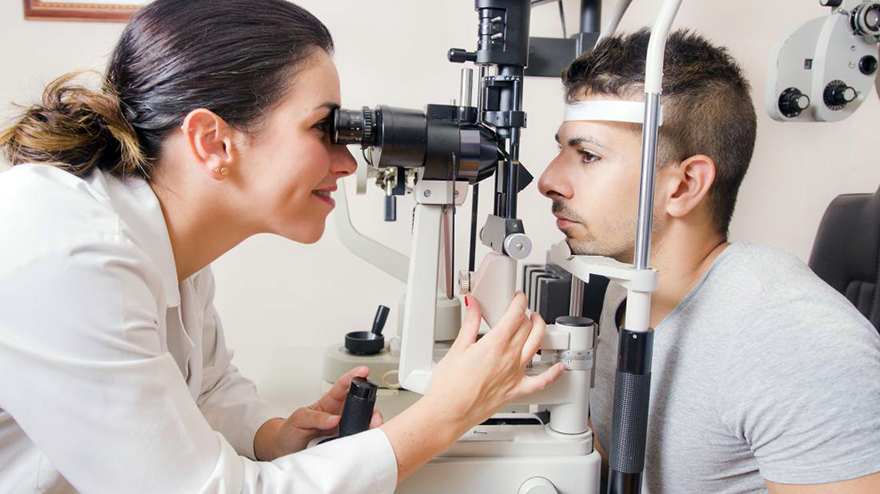
The retina center at Busan BGSS Eye Clinic, Seomyeon, Busanjin-gu is equipped with university hospital-level diagnostic and treatment technology:
Slit Lamp — anterior and posterior segment examination
CIRRUS 5000 — high-resolution OCT for macular and retinal layer imaging
DRI-OCT1 — deep-range OCT for choroidal and full retinal cross-section imaging
DAYTONA-DEVICE MEDIUM — wide-angle fundus imaging for peripheral retinal disease
Humphrey Visual Field Analyzer — visual field assessment for AMD-related and glaucomatous field loss
VISUCAM 524 — precision fundus photography
Fundus Photography — retinal documentation and disease progression monitoring
PROUM — advanced retinal examination platform
This diagnostic platform enables the retina specialist team at the Busanjin-gu, Busan clinic to detect AMD at its earliest stages, precisely stage disease severity, and monitor treatment response with the imaging resolution previously available only at major university hospital facilities.
Macular Degeneration Self-Assessment: When to Seek Evaluation
AMD can be self-monitored using a simple Amsler grid test — a grid of straight horizontal and vertical lines with a central fixation point. Covering one eye and focusing on the central dot from 30cm, patients should assess whether:
The central dot is difficult to see or disappears
Any lines appear curved, wavy, or distorted
Any lines appear broken or absent
Any of these findings at the Amsler grid test warrants prompt evaluation at Busan BGSS Eye Clinic in Seomyeon, Busanjin-gu. Additional self-reported symptoms requiring evaluation include: gaps or blank spaces when reading text; buildings or tiled surfaces appearing to curve or wave; objects appearing distorted or warped; reduced ability to distinguish colors; or a dark spot appearing in the central visual field. These symptoms should not be attributed to normal aging without specialist confirmation at the Busanjin-gu, Busan clinic — AMD and presbyopia are frequently confused in early stages, and the consequences of delayed AMD diagnosis are irreversible.
Macular Degeneration Results, Prognosis, and Long-Term Management
AMD management at Busan BGSS Eye Clinic does not promise vision restoration — wet AMD that has caused central vision loss cannot be reversed, and the clinical goal is preservation of remaining vision and prevention of further deterioration. Anti-VEGF therapy at the Seomyeon, Busanjin-gu clinic is aimed at maintaining current visual function and, in some cases, achieving modest improvement where neovascular activity is successfully suppressed. Dry AMD is monitored for conversion to wet AMD, at which point treatment is initiated promptly to intercept the rapid vision loss that wet AMD causes if untreated. Individual outcomes vary significantly based on disease stage at presentation, AMD subtype, treatment response, and systemic health factors.
Long-term AMD management at the Busanjin-gu, Busan clinic involves scheduled follow-up appointments for OCT imaging, visual acuity monitoring, and treatment response assessment — with injection frequency adjusted based on disease activity rather than a fixed schedule. The multi-specialist team structure at the Seomyeon facility allows concurrent management of glaucoma, cataract, and other age-related ocular conditions that frequently accompany AMD in the same age group, without the coordination gaps associated with managing these conditions at separate facilities.
From age 40, annual or bi-annual comprehensive eye examination at the Busan BGSS clinic is recommended — not only for AMD screening but for the full range of age-related ocular conditions whose early detection significantly improves long-term visual outcomes.
Why Choose Busan BGSS Eye Clinic in Seomyeon for Macular Degeneration Treatment?
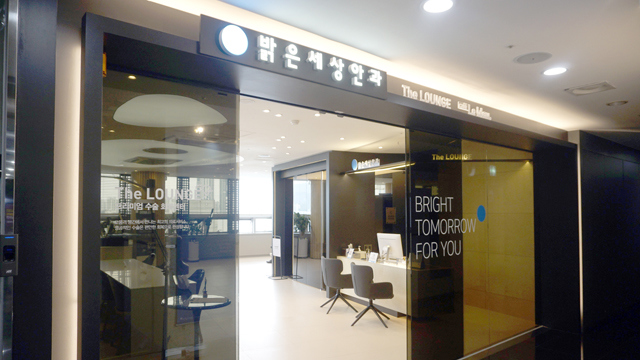
Macular degeneration demands a retina specialist with the diagnostic depth to stage disease accurately, the clinical experience to select the right treatment at the right time, and the multi-specialty support to manage the age-related ocular comorbidities that AMD patients commonly present with. Busan BGSS Eye Clinic in Seomyeon, Busanjin-gu provides all three — through Dr. Jong-Ho Park's retina specialty anchored by concurrent appointments at two Pusan National University hospitals, Dr. Hyun-Uk Shin's combined retinal and glaucoma expertise, and Dr. Jeong-Min Woo's glaucoma-related care — all within the same Seomyeon facility. University hospital-level diagnostic equipment, the full range of intravitreal treatment agents, and Pascal and Argon laser capabilities make the Busanjin-gu, Busan clinic one of the most comprehensively equipped AMD treatment centers in the region:
First ophthalmology clinic in Korea to receive JCI accreditation — four cycles
Advanced Regenerative Medicine Institution (2026) and Asia-Pacific EVO ICL Training Center (2026)
University hospital-level retina diagnostics — CIRRUS 5000, DRI-OCT1, DAYTONA wide-angle fundus, Humphrey visual field at the Seomyeon clinic
Full intravitreal agent formulary — Lucentis, Eylea, Vabysmo, Ozurdex, Avastin, and others at the Busanjin-gu, Busan facility
Key Medical Tourism Cooperative Institution, City of Busan — multilingual support in Chinese, English, Japanese, Mongolian, Russian, Vietnamese, and Indonesian
Patient Experiences: Macular Degeneration at Busan BGSS Eye Clinic, Seomyeon
Patient Vignette 1 — Wet AMD, Early 60s
A patient in their early 60s visiting Busan BGSS Eye Clinic reported noticing that door frames appeared slightly curved and that reading had become more difficult in one eye. OCT imaging at the Seomyeon, Busanjin-gu clinic identified choroidal neovascularization consistent with wet AMD. Anti-VEGF injection therapy was initiated promptly by the retina specialist team at the Busan facility, and the patient was enrolled in a scheduled monitoring and treatment program. Vision in the affected eye stabilized following the initial treatment course. Individual outcomes vary and no specific result is guaranteed.
Patient Vignette 2 — Dry AMD Monitoring, Late 50s
A patient in their late 50s at the Busanjin-gu, Busan clinic with a family history of AMD attended for comprehensive eye examination. Fundus photography and OCT at the Seomyeon facility identified early drusen deposits consistent with dry AMD. No immediate treatment was required, but the patient was enrolled in the BGSS staged tracking management program with six-monthly OCT monitoring and Amsler grid self-assessment guidance. No conversion to wet AMD was identified at subsequent reviews. Individual findings vary and no diagnostic outcome is guaranteed.
Protect Your Central Vision — Book Your Macular Degeneration Consultation in Busan
Macular degeneration cannot be reversed once significant damage has occurred — but early detection and timely treatment can preserve the central vision you depend on. The retina specialist team at Busan BGSS Eye Clinic in Seomyeon, Busanjin-gu offers comprehensive AMD diagnosis, staging, and individualized treatment using the full range of anti-VEGF agents and laser options, supported by university hospital-level diagnostic imaging. If you are over 40, have noticed any central vision distortion, or have a family history of macular disease, the Seomyeon clinic is ready to evaluate your retinal health. JCI accredited. Multilingual support available in Chinese, English, Japanese, Mongolian, Russian, Vietnamese, and Indonesian.
**[Book Your Macular Degeneration Consultation at Busan BGSS Eye Clinic](/contact-us)
Other Services
Explore our comprehensive range of healthcare offerings tailored to your needs.
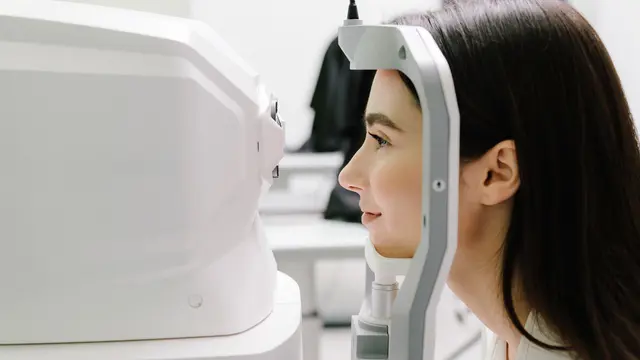
Dry Eye Diagnostic Testing
It is a spectrum of disorders with distinct underlying mechanisms — each requiring a different clinical response.
Learn More

Aqua IPL / Aqua Lifting
Dry eye syndrome is one of the most common and undertreated conditions in ophthalmology — affecting contact lens wearers, digital screen users, post-surgical patients, and adults over 40 with progressively declining tear film quality.
Learn More
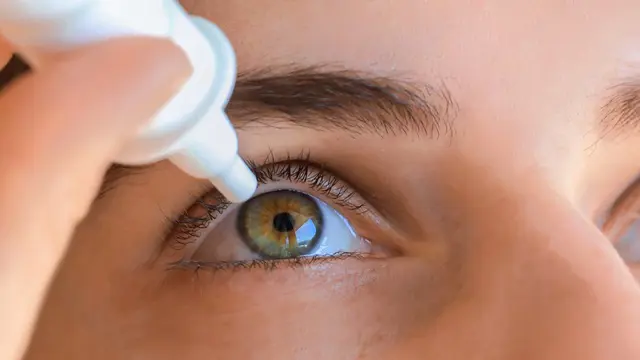
Autologous Serum Eye Drops
Autologous serum eye drops are a specialized therapeutic preparation in which a patient's own blood is processed to extract the serum — which is then formulated as personalized eye drops.
Learn More