Busan BGSS Eye Clinic · JCI-Accredited Ophthalmology Since 1997 · 7-Language Patient Care
JCI-Accredited · Since 1997
en-US


Pediatric Myopia Control · Needs Clinic Confirmation
Low-Dose Atropine Therapy
Low-dose atropine therapy is the most clinically evidence-supported pharmacological intervention for slowing the progression of myopia in children.
Schedule a ConsultationWhat Is Low-Dose Atropine Therapy? Childhood Myopia Control in Busan

Low-dose atropine therapy is the most clinically evidence-supported pharmacological intervention for slowing the progression of myopia in children. Atropine is a muscarinic receptor antagonist that, at low concentrations of 0.01% to 0.05%, suppresses the retinal and scleral signaling mechanisms that drive axial elongation — the process by which the eyeball grows longer than its optical system requires, causing myopia to progressively worsen. By slowing axial elongation during the critical years of childhood ocular development, low-dose atropine therapy at Busan BGSS Eye Clinic in Seomyeon, Busanjin-gu reduces the final myopic prescription a child reaches in adulthood and the associated lifetime risks of high myopia-related eye disease.
Myopia is not simply a refractive inconvenience requiring glasses — progressive myopia in childhood that reaches high myopia in adulthood (typically defined as -6.00D or greater) substantially increases the lifetime risk of retinal detachment, glaucoma, macular degeneration, and myopic maculopathy. In East Asian populations including Korea, the prevalence and severity of childhood myopia is among the highest in the world — making myopia control an urgent pediatric public health issue, not a cosmetic concern. At the Busanjin-gu, Busan clinic, low-dose atropine is prescribed as part of a structured myopia management program that combines pharmacological therapy with regular axial length measurement, refraction monitoring, and lifestyle guidance to slow progression during the years when the child's eye is most susceptible to environmental and genetic influences on axial growth.
Low-dose atropine at the Seomyeon clinic is distinct from the high-concentration atropine (1%) previously used in ophthalmology — which caused significant pupil dilation, photophobia, and near vision blur that made daily use impractical. At 0.01% to 0.05% concentrations, these side effects are minimal, allowing year-round daily use throughout the myopia control treatment period without disrupting school performance or daily activities at the Busanjin-gu, Busan facility.
Why Childhood Myopia Progression Matters: The Long-Term Risk in Busan
Every additional diopter of myopia a child accumulates carries compounding long-term ocular health risks. A child who progresses from -1.00D to -6.00D by adulthood has a fundamentally different lifetime ocular risk profile than one who is stabilized at -2.00D — not merely in terms of glasses thickness, but in terms of retinal, macular, and optic nerve disease risk that persists for the rest of their life. Specifically:
Retinal detachment risk increases significantly with axial length — every millimeter of additional axial elongation stretches the retina thinner and increases the risk of peripheral tears and detachment
Macular degeneration in myopic eyes — myopic maculopathy — is distinct from age-related macular degeneration and is directly related to the degree of axial elongation
Glaucoma susceptibility increases with higher myopia due to optic nerve structural changes associated with elongated eyes
Posterior staphyloma — pathological outpouching of the posterior eye wall — occurs in highly myopic eyes and can cause severe, irreversible vision loss
At Busan BGSS Eye Clinic in Seomyeon, Busanjin-gu, Dr. Jong-Ho Park's clinical and academic expertise in retinal disease — including his Associate Professor of Pediatric Retina appointment at Pusan National University Children's Hospital — provides the clinical foundation for understanding and communicating these long-term risks to families, and for monitoring the retinal health of myopic children undergoing atropine therapy at the Busanjin-gu, Busan clinic over the treatment period.
Meet the Pediatric Myopia Specialist at Busan BGSS Eye Clinic, Seomyeon

Dr. Jong-Ho Park, M.D.
Ophthalmologist
Dr. Jong-Ho Park, M.D., Master of Medicine Director, Busan BGSS Eye Clinic | Associate Professor of Retina, Yangsan Pusan National University Hospital | Associate Professor of Pediatric Retina, Pusan National University Children's Hospital | Ophthalmic Mentor
Dr. Jong-Ho Park is the pediatric retina specialist anchoring the Seomyeon, Busanjin-gu clinic's myopia control program. His concurrent appointments as Associate Professor of Pediatric Retina at Pusan National University Children's Hospital and Associate Professor of Retina at Yangsan Pusan National University Hospital reflect an academic and clinical practice deeply engaged with pediatric ocular health — including the retinal implications of progressive childhood myopia that most general ophthalmologists do not evaluate in the context of myopia management.
Dr. Jong-Ho Park's clinical scope covers retinal disease, vitreoretinal surgery, macular hole surgery, and neuro-ophthalmology — making him uniquely positioned within the Busan BGSS team to evaluate both the refractive progression of childhood myopia and the retinal structural changes that high myopia produces over time. His published research includes studies on preoperative factors affecting vitrectomy outcomes and on compressive optic neuropathy — clinical domains directly relevant to the long-term monitoring of highly myopic children at the Seomyeon clinic.
The broader five-director team at Busan BGSS Eye Clinic supports the myopia control program with additional clinical depth: Dr. Gil-Ho Park's contact lens expertise is relevant to complementary myopia control options such as orthokeratology, and the full multi-specialist team ensures that any concurrent ocular conditions identified during the child's monitoring program at the Busanjin-gu, Busan facility — amblyopia, strabismus, keratoconus risk, retinal changes — are evaluated and managed within the same clinic.
Low-Dose Atropine Therapy: How It Works and What the Evidence Shows
Atropine suppresses myopia progression through mechanisms that are not fully understood but are believed to involve direct effects on retinal muscarinic receptors that signal scleral remodeling. In response to optical defocus on the retina — the mechanism that drives axial elongation in myopic eyes — the sclera normally responds by elongating. Atropine at low concentrations appears to interrupt or attenuate this retinal-scleral signaling pathway at the Seomyeon, Busanjin-gu clinic, reducing the rate of axial elongation without the visual side effects that prevented high-concentration atropine from being clinically practical.
Clinical evidence consistently supports low-dose atropine as the most effective single pharmacological myopia control intervention available. Studies including the landmark ATOM2 trial and subsequent Asian research data show that 0.01% atropine reduces myopia progression by approximately 50–60% compared with untreated controls — a clinically meaningful effect that translates to substantially lower final myopic prescriptions and reduced lifetime high myopia risk when treatment is maintained throughout the progression-active childhood years at the Busanjin-gu, Busan facility.
At the Seomyeon clinic, atropine concentration is selected individually based on the child's age, baseline progression rate, axial length, and response to therapy — with the option to adjust concentration upward if progression continues at an unacceptable rate, or to taper and discontinue when progression stabilizes. The treatment program is not a fixed protocol but an adaptive clinical response to each child's individual myopia trajectory at the Busan BGSS facility.
Pediatric Myopia Assessment and Low-Dose Atropine Treatment Process
Step 1 — Comprehensive Pediatric Eye Examination
Every child beginning the myopia control program at the Seomyeon, Busanjin-gu clinic undergoes a thorough initial assessment: cycloplegic refraction (using eye drops to relax accommodation for accurate refractive measurement), axial length measurement (the key parameter for monitoring myopia progression), corneal topography, anterior segment examination, and fundus assessment by Dr. Jong-Ho Park at the Busanjin-gu, Busan facility. Family history of myopia, onset age, progression rate, and lifestyle factors including outdoor time and near work duration are documented.
Step 2 — Myopia Risk Stratification and Treatment Decision
Based on initial assessment findings at the Seomyeon clinic, Dr. Jong-Ho Park stratifies the child's myopia progression risk and discusses the evidence base, expected benefits, monitoring requirements, and side effect profile of low-dose atropine with the family. The atropine concentration is selected based on the child's age, current prescription, axial length, and family myopia history at the Busanjin-gu, Busan facility.
Step 3 — Atropine Prescription and Application Training
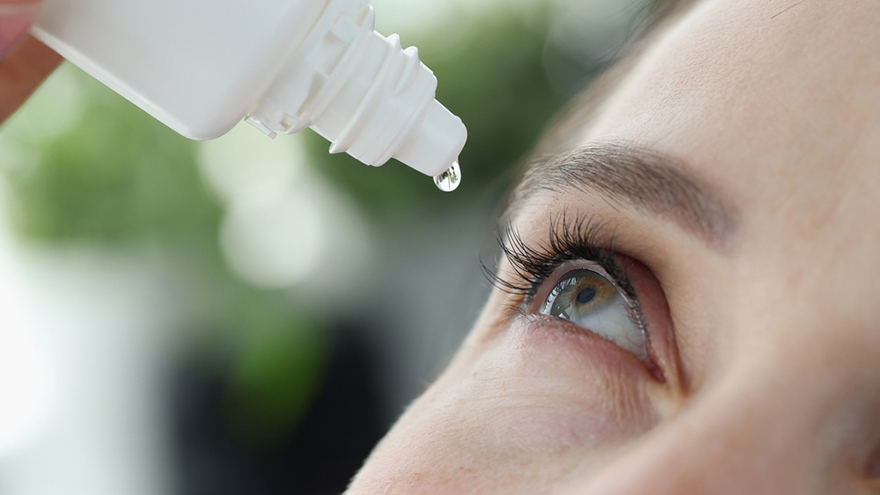
Low-dose atropine eye drops are prescribed for daily instillation — typically one drop in each eye at bedtime to minimize any mild residual pupil dilation during sleep at the Seomyeon, Busanjin-gu clinic. Our team provides clear written instructions on drop instillation technique, storage, and what to expect in the initial adjustment period.
Step 4 — Regular Monitoring — Axial Length and Refraction
Children on atropine therapy at the Busan BGSS facility are reviewed every three to six months — with axial length measurement and cycloplegic refraction at each visit at the Seomyeon clinic. Axial length is the primary progression metric: myopia progresses when the eye elongates, and axial length measurement detects this directly — more sensitively and earlier than refraction change alone. If axial elongation continues at an unacceptable rate despite treatment, atropine concentration is adjusted at the Busanjin-gu, Busan clinic.
Step 5 — Retinal Health Monitoring
Dr. Jong-Ho Park's pediatric retina expertise is applied to annual fundus assessment of myopic children at the Seomyeon, Busanjin-gu clinic — monitoring for the peripheral retinal changes, lattice degeneration, and vitreoretinal interface abnormalities that accumulate in progressively myopic eyes and require intervention before they progress to retinal detachment. This retinal monitoring component differentiates the BGSS myopia control program from general ophthalmology myopia management at the Busanjin-gu, Busan facility.
Step 6 — Treatment Continuation and Graduation
Low-dose atropine therapy is continued throughout the active myopia progression years — typically until the mid-to-late teens when axial elongation naturally slows. Discontinuation at the Seomyeon clinic follows a gradual tapering protocol to minimize rebound progression, with continued monitoring after cessation to confirm stable refraction before the treatment program concludes at the Busan BGSS facility.
Low-Dose Atropine Results, Safety, and Long-Term Management
Low-dose atropine at 0.01%–0.05% concentrations is clinically well-tolerated, with minimal side effects compared with higher-concentration formulations. At the Seomyeon, Busanjin-gu clinic, the most commonly reported side effects are mild transient photosensitivity and very slight near vision blur immediately after instillation — both resolving within minutes and not affecting school performance or daily activities. Pupil dilation at these concentrations is minimal and not clinically significant during daytime hours at the Busanjin-gu, Busan facility. Serious adverse effects are rare at low-dose concentrations; our team monitors for any systemic or ocular side effects at every follow-up visit.
The clinical goal of low-dose atropine therapy at the Seomyeon clinic is not to eliminate myopia but to reduce the total amount of myopia the child develops by adulthood — specifically to reduce the proportion of children who reach high myopia levels associated with serious long-term eye disease risk. Individual treatment response varies; some children respond more strongly than others, and some require concentration adjustment. No specific outcome in terms of final prescription reduction is guaranteed. Results are monitored objectively through serial axial length measurement at the Busanjin-gu, Busan facility throughout the treatment period.
Why Choose Busan BGSS Eye Clinic in Seomyeon for Pediatric Myopia Control?
Childhood myopia control requires a clinician who understands not only refraction and contact lens options but the retinal implications of progressive axial elongation — the long-term ocular health stakes that make myopia control a medical intervention rather than a convenience service. At Busan BGSS Eye Clinic in Seomyeon, Busanjin-gu, Dr. Jong-Ho Park's dual appointment as Associate Professor of Pediatric Retina at Pusan National University Children's Hospital and Associate Professor of Retina at Yangsan Pusan National University Hospital provides exactly this clinical depth — a pediatric retina specialist who evaluates childhood myopia in the full context of long-term ocular health risk. As the founding BGSS location since 1997 with 330,000+ procedures performed, the Seomyeon clinic's credentials are clear:
First ophthalmology clinic in Korea to receive JCI accreditation — four cycles
Pediatric retina specialist — Dr. Jong-Ho Park, Associate Professor of Pediatric Retina, Pusan National University Children's Hospital
Axial length monitoring program — primary myopia progression metric assessed at every follow-up visit at the Busanjin-gu, Busan facility
Retinal health surveillance integrated into the myopia control program — not available at most general ophthalmology clinics
Key Medical Tourism Cooperative Institution, City of Busan — multilingual support in Chinese, English, Japanese, Mongolian, Russian, Vietnamese, and Indonesian for international families
Patient Experiences: Low-Dose Atropine at Busan BGSS Eye Clinic, Seomyeon
Patient Vignette 1 — Rapidly Progressing Myopia, Age 9
A child aged 9 was brought to the Seomyeon, Busanjin-gu clinic after their glasses prescription had increased by -1.00D in six months. Cycloplegic refraction and axial length measurement at the Busan BGSS facility confirmed rapid progression, and a family history of high myopia in both parents elevated the long-term risk assessment. Low-dose atropine 0.01% was prescribed with three-monthly axial length monitoring. Axial elongation rate reduced measurably over the following year of treatment. Results vary; no specific outcome is guaranteed.
Patient Vignette 2 — High Myopia Risk, Age 12
A patient aged 12 at the Busanjin-gu, Busan clinic presented with -3.50D myopia and was progressing approximately -0.75D per year. Fundus assessment by Dr. Jong-Ho Park identified early peripheral retinal changes consistent with myopic vitreoretinal traction at the Seomyeon facility. Low-dose atropine was initiated alongside retinal surveillance scheduling. The family received clear guidance on outdoor time, near work management, and the long-term ocular health rationale for myopia control. Individual findings vary and no specific outcome is guaranteed.
Protect Your Child's Vision for Life — Book Their Myopia Consultation in Busan
Every year of unchecked myopia progression in childhood is a year of accumulated retinal risk that cannot be reversed in adulthood. The earlier myopia control begins, the more of your child's visual future is protected. Dr. Jong-Ho Park and the specialist team at Busan BGSS Eye Clinic in Seomyeon, Busanjin-gu offer the clinical depth — pediatric retina expertise, axial length monitoring, low-dose atropine prescribing, and retinal surveillance — that childhood myopia management deserves. JCI accredited. Multilingual support in Chinese, English, Japanese, Mongolian, Russian, Vietnamese, and Indonesian.
**[Book Your Child's Myopia Consultation at Busan BGSS Eye Clinic](/contact-us)
Other Services
Explore our comprehensive range of healthcare offerings tailored to your needs.
Dry Eye Diagnostic Testing
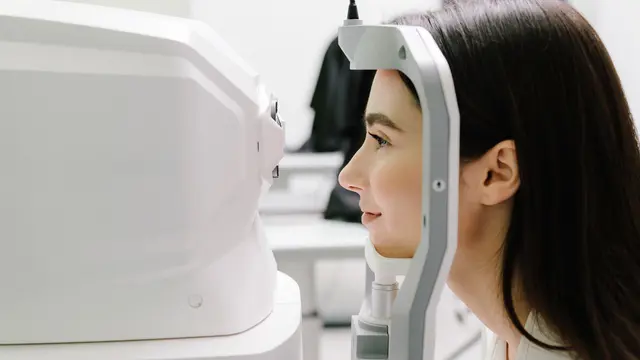
It is a spectrum of disorders with distinct underlying mechanisms — each requiring a different clinical response.
Learn More

Aqua IPL / Aqua Lifting
Dry eye syndrome is one of the most common and undertreated conditions in ophthalmology — affecting contact lens wearers, digital screen users, post-surgical patients, and adults over 40 with progressively declining tear film quality.
Learn More
Autologous Serum Eye Drops
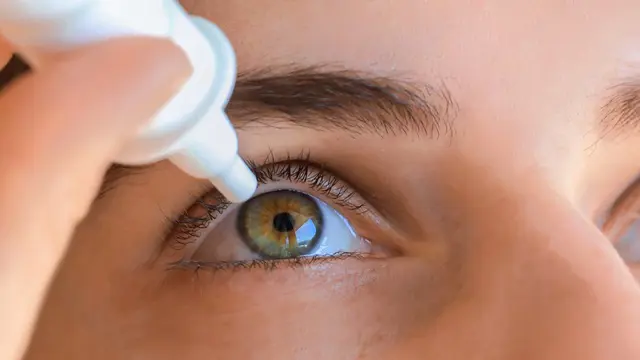
Autologous serum eye drops are a specialized therapeutic preparation in which a patient's own blood is processed to extract the serum — which is then formulated as personalized eye drops.
Learn More