Busan BGSS Eye Clinic · JCI-Accredited Ophthalmology Since 1997 · 7-Language Patient Care
JCI-Accredited · Since 1997
en-US

Medical Guide
Understanding SMILE Pro Surgery for Vision Correction
Discover how SMILE Pro surgery corrects vision with a minimally invasive laser procedure. Learn the benefits, recovery, and see if you're a candidate.
Schedule a ConsultationWhat Is SMILE Pro Surgery?

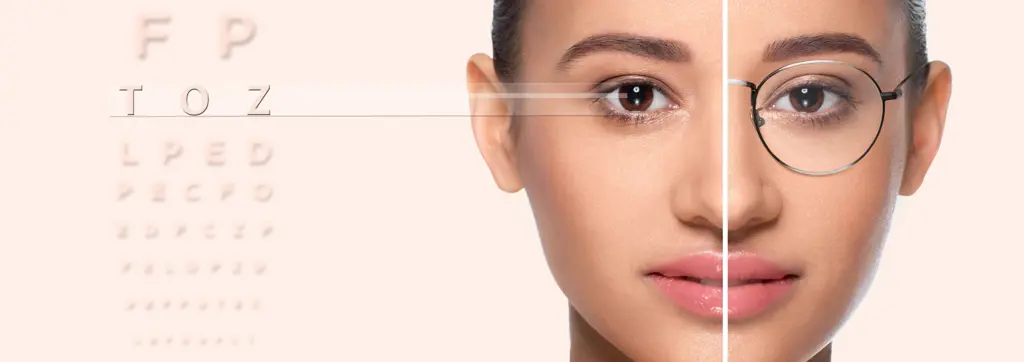
SMILE Pro (ZEISS SMILE PRO) is the latest generation of SMILE (Small Incision Lenticule Extraction) technology, a minimally invasive, blade-free approach to correcting refractive errors such as myopia (nearsightedness) and astigmatism. Unlike traditional LASIK, which requires creating a corneal flap using a microkeratome or femtosecond laser, SMILE Pro uses a single femtosecond laser to create a small lenticule (a thin disc of corneal tissue) within the intact cornea. This lenticule is then removed through a very small incision, reshaping the cornea to improve how light focuses on the retina.
The "Pro" designation reflects meaningful refinements over earlier generations of SMILE technology. These refinements include significantly shortened laser treatment time per eye and improved centration and tracking accuracy, which may contribute to a smoother, more comfortable patient experience during the procedure itself. Because SMILE Pro preserves more of the cornea's natural biomechanical structure compared to flap-based techniques, it is often discussed as a option for patients concerned about corneal stability after surgery, although suitability always depends on individual eye characteristics.
Understanding Common Vision Conditions
Many patients seeking vision correction surgery are affected by refractive errors, which occur when the shape of the eye prevents light from focusing directly on the retina. Refractive errors are among the most common vision problems worldwide and can affect quality of life, daily comfort, and long-term eye health if left unaddressed. The most common conditions treated with SMILE Pro include:
Myopia (nearsightedness): Difficulty seeing distant objects clearly, often first noticed during childhood or adolescence and sometimes progressing into early adulthood
Astigmatism: Blurred or distorted vision at any distance due to an irregularly shaped cornea, which can occur on its own or alongside myopia
These conditions are typically diagnosed through a comprehensive eye examination that measures corneal shape (topography), corneal thickness (pachymetry), pupil size, tear film quality, and overall refractive error. Additional tests may assess the health of the retina and optic nerve to rule out underlying conditions that could affect surgical planning. Only after this full diagnostic picture is complete can an ophthalmologist determine whether a patient is an appropriate candidate for SMILE Pro or whether an alternative treatment may be more suitable.
How SMILE Pro Works

The SMILE Pro procedure is performed using advanced femtosecond laser technology, such as the VISUMAX 800 system used at Busan BGSS Eye Clinic. This system is designed to deliver highly precise, computer-guided laser pulses with reduced treatment time compared to earlier platforms. The general process includes:
Step 1: Comprehensive Pre-Surgical Evaluation
Before surgery, patients undergo detailed diagnostic testing, including corneal topography, thickness measurement, refractive error assessment, and dilated eye examination, to confirm candidacy and plan precise treatment parameters. This stage may take place over one or more clinic visits and often includes a period of contact lens discontinuation beforehand, since contact lens wear can temporarily alter corneal shape and affect measurement accuracy.
Step 2: Laser Treatment
Using topical anesthesia (numbing eye drops), the femtosecond laser creates a lenticule within the corneal stroma and a small incision at the corneal surface. Patients are asked to focus on a fixation light during this stage, and a suction device is used briefly to stabilize the eye and maintain precise laser positioning.
Step 3: Lenticule Removal
The surgeon carefully separates and removes the lenticule through the small incision, reshaping the cornea to correct the patient's refractive error. Because the incision is small — typically only a few millimeters — and no full corneal flap is created, the surrounding corneal architecture remains more structurally intact compared to flap-based procedures like LASIK.
Step 4: Recovery and Follow-Up
Patients typically rest briefly in a recovery area after the procedure before an initial post-operative check. Follow-up examinations are then scheduled over the following days and weeks to monitor healing, corneal clarity, and visual recovery, with adjustments to eye drop regimens as needed.
The entire laser treatment portion of the procedure is generally very brief, often completed within minutes per eye, though total time in the clinic — including preparation, diagnostic confirmation, and post-procedure assessment — will typically extend to a few hours.
Who Is a Suitable Candidate?
Not every patient is an ideal candidate for SMILE Pro. Suitability is determined through a thorough consultation and diagnostic evaluation rather than general assumptions based on age or prescription alone. Generally, candidates should:
Be at least 18 years of age with a stable eye prescription for at least one year
Have myopia or myopic astigmatism within treatable diopter ranges
Have adequate corneal thickness to safely accommodate lenticule removal while preserving sufficient residual corneal tissue
Be free of active eye infections, corneal disease, uncontrolled dry eye, or other contraindicating conditions
Have realistic expectations about the goals and limitations of the procedure
Patients with certain health conditions — such as uncontrolled autoimmune or connective tissue disease, pregnancy or breastfeeding, unstable blood sugar levels, or progressive corneal conditions such as keratoconus — may not be suitable candidates for SMILE Pro. In such cases, doctors may recommend alternative approaches, such as ICL (Implantable Contact Lens) surgery, which does not involve removing corneal tissue and may be more appropriate for certain patients, including those with thinner corneas or higher degrees of refractive error.
Because candidacy depends on a combination of anatomical, medical, and lifestyle factors, an in-person or thoroughly documented remote consultation with a qualified ophthalmologist remains the only reliable way to confirm eligibility.
Doctor's Expertise
At Busan BGSS Eye Clinic, vision correction procedures are performed by ophthalmologists with clinical experience in refractive and cataract surgery. Dr. Gil-Ho Park, M.D., Ph.D., Director of Busan Balgeunsesang Eye Hospital, has a clinical focus on cataract and refractive surgery, including LASIK and related vision correction procedures. His clinical approach emphasizes individualized diagnostic assessment prior to any surgical recommendation, ensuring that treatment planning reflects each patient's unique corneal profile rather than a standardized protocol.
Working alongside a broader team of ophthalmologists at the hospital, care decisions are supported by cross-specialty input where relevant, particularly for patients whose diagnostic findings suggest a need for closer evaluation of corneal health or retinal status before proceeding with surgery. This collaborative, evaluation-first approach is intended to support informed decision-making at every stage of the patient's treatment journey.
Why Patients Choose Busan BGSS Eye Clinic
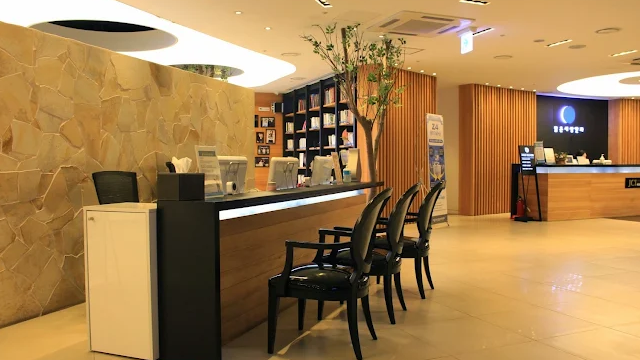
Busan BGSS Eye Clinic, located in Seomyeon, Busanjin-gu, has built a reputation as a trusted center for vision correction surgery in Korea. Several factors distinguish the clinic's approach to patient care:
Advanced technology: The clinic operates premium diagnostic and surgical equipment, including the VISUMAX 800 femtosecond laser system used for SMILE Pro procedures, alongside additional platforms supporting comprehensive pre-surgical evaluation
International accreditation: The clinic has received Joint Commission International (JCI) accreditation — the first ophthalmology clinic in Korea to do so — reflecting adherence to globally recognized standards for patient safety and quality of care
Multilingual support: In-house interpretation services are available in Chinese, English, Japanese, Mongolian, Russian, and Vietnamese, supporting international patients from initial consultation through surgical counseling and follow-up
Structured aftercare: Patients receive scheduled post-operative examinations to monitor healing, corneal recovery, and visual outcomes over time
Central, accessible location: Situated within the Ion City Building in Seomyeon, one of Busan's most accessible districts, allowing international patients to more easily coordinate travel logistics alongside their treatment schedule
Recovery, Safety, and Realistic Outcomes
Recovery experiences vary by individual, but many patients notice improved vision within the first few days following SMILE Pro surgery, with continued stabilization over the following weeks as the small corneal incision heals. Because the procedure involves a smaller incision than flap-based methods, some patients may experience a comparatively short initial visual recovery period; however, final visual stabilization still generally takes several weeks and varies based on individual healing patterns.
As with any surgical procedure, SMILE Pro carries potential risks, which may include temporary dry eye symptoms, glare or halos particularly in low-light conditions during early recovery, under- or over-correction of the intended refractive change, or in some cases the need for a touch-up treatment. Following the surgeon's post-operative care instructions — including prescribed eye drops and activity restrictions — and attending all scheduled follow-up visits are important steps for supporting proper healing and identifying any concerns early.
It is important for patients to maintain realistic expectations. While SMILE Pro can significantly reduce dependence on glasses or contact lenses for many patients, individual outcomes depend on multiple factors, including pre-existing eye health, the degree and type of refractive error, corneal healing response, and adherence to post-operative care. A comprehensive pre-surgical evaluation remains the most reliable way to determine whether SMILE Pro is an appropriate option for a given patient, and no reputable clinic can guarantee a specific visual outcome in advance.
Final Thoughts
SMILE Pro represents a meaningful advancement in laser vision correction, offering a minimally invasive alternative to traditional LASIK for eligible patients seeking to reduce their dependence on corrective eyewear. At Busan BGSS Eye Clinic, the combination of advanced surgical technology, experienced ophthalmologists, JCI accreditation, and structured multilingual patient support aims to provide a safe, transparent, and well-managed treatment experience from consultation through recovery. Patients considering vision correction surgery are encouraged to schedule a comprehensive diagnostic consultation to determine whether SMILE Pro, or an alternative procedure such as ICL, best fits their individual eye health, lifestyle, and vision goals.
More Articles
Gain valuable insights and knowledge through our informative healthcare articles.

Understanding SMILE Pro Surgery for Vision Correction
Discover how SMILE Pro surgery corrects vision with a minimally invasive laser procedure. Learn the benefits, recovery, and see if you're a candidate.
Learn More

Who Is a Candidate for EVO+ ICL
Find out who is a candidate for EVO+ ICL and learn the eligibility criteria, benefits, and whether this vision correction option is right for you.
Learn More
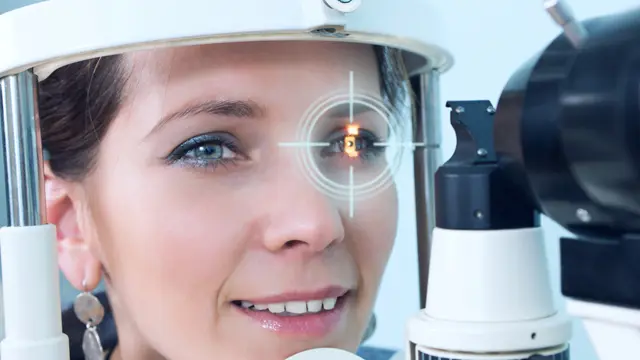
Recovery After Laser Multifocal Cataract Surgery
Learn about recovery after laser multifocal cataract surgery, including healing time, recovery tips, and what to expect for clearer vision.
Learn More