Busan BGSS Eye Clinic · JCI-Accredited Ophthalmology Since 1997 · 7-Language Patient Care
JCI-Accredited · Since 1997
en-US


Medical Guide
Recovery After Laser Multifocal Cataract Surgery
Learn about recovery after laser multifocal cataract surgery, including healing time, recovery tips, and what to expect for clearer vision.
Schedule a ConsultationUnderstanding Cataracts and Why Surgery Becomes Necessary
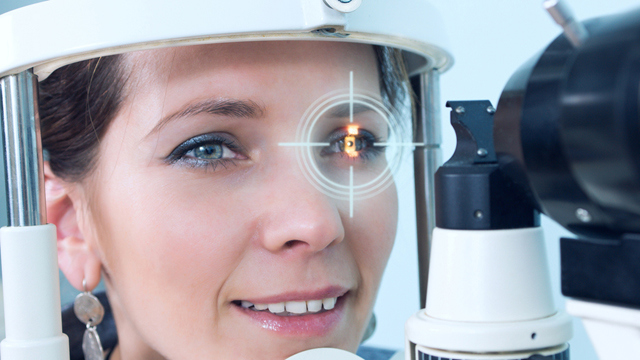
A cataract develops when the eye's natural lens becomes progressively cloudy, typically as part of the aging process, though it can also result from genetics, certain medications, prolonged UV exposure, or prior eye trauma. As the lens clouds, patients often notice blurred vision, increased sensitivity to glare, difficulty seeing at night, colors that appear faded, and a general sense that glasses no longer help as much as they once did. Because cataracts develop gradually, many patients adjust to the changes without realizing how much their vision has declined until they undergo a comprehensive eye examination.
Left untreated, cataracts continue to worsen over time, and in advanced stages they can significantly limit daily activities such as reading, driving, or recognizing faces. Surgery remains the only effective treatment for cataracts — no eye drop, medication, or exercise can reverse the clouding of the lens. Modern cataract procedures do more than restore clarity, however. By replacing the clouded natural lens with an artificial intraocular lens (IOL), surgeons can also correct underlying refractive issues such as presbyopia, nearsightedness, or farsightedness at the same time, effectively combining two treatments into a single procedure.
What Is Laser Multifocal Cataract Surgery?
Laser multifocal cataract surgery combines two key elements: femtosecond laser technology for key surgical steps, and a multifocal intraocular lens that is designed to provide functional vision across multiple distances. Traditional monofocal lenses are set to a single focal point, usually distance vision, meaning many patients still need reading glasses afterward for near tasks. Multifocal lenses, by contrast, are engineered with multiple focal zones — often described as a diffractive or extended depth-of-focus optical design — allowing many patients to reduce their reliance on glasses for daily activities such as reading, using a computer, or driving.
The femtosecond laser component allows certain steps of the procedure — such as creating the corneal incision, performing capsulotomy, and fragmenting the cataract into smaller segments — to be performed with a high degree of precision and automation. This laser-guided approach can support a smoother, more predictable surgical process compared to fully manual techniques, potentially reducing the amount of ultrasound energy needed to remove the cataract and supporting a more consistent lens placement, which is particularly important for multifocal lenses that depend on precise centration to perform as intended.
It is worth noting that "laser cataract surgery" refers specifically to the use of femtosecond laser technology for these preparatory steps; the actual removal of the cataract and lens implantation still requires the hands-on skill and judgment of the operating ophthalmologist.
Who Is a Suitable Candidate?

Not every patient with cataracts is automatically a candidate for a multifocal lens. Suitability depends on several factors, including:
The overall health of the eye, including the cornea, retina, and optic nerve
The presence or absence of other eye conditions, such as significant astigmatism, dry eye disease, glaucoma, or macular disease
Corneal shape and regularity, which affects how predictably the multifocal optics will perform
The patient's lifestyle and visual priorities (for example, a strong desire to be glasses-free versus prioritizing the sharpest possible distance vision for activities like night driving)
Occupational visual demands, such as fine detail work, that may influence which lens design is most appropriate
Realistic expectations about visual outcomes, including the possibility of mild glare or halos around lights, particularly at night, especially in the initial period after surgery
A thorough preoperative evaluation is essential before deciding whether a multifocal lens is the right choice. This typically includes detailed eye measurements such as corneal topography, axial length measurement, and lens power calculation, along with a candid discussion of lifestyle needs and visual priorities. Patients with certain pre-existing eye conditions may be better suited to a monofocal or extended depth-of-focus lens rather than a full multifocal design, and an experienced surgical team will guide this decision based on individual findings rather than patient preference alone.
The Procedure Process
On the day of surgery, the eye is numbed with local or topical anesthesia, and patients typically remain awake but relaxed throughout the process, often with a mild sedative to ease any anxiety. The surgical team first uses the femtosecond laser to create precise incisions, perform the capsulotomy, and soften the clouded lens into smaller fragments. The lens material is then removed using gentle phacoemulsification and suction. The multifocal intraocular lens is then folded and inserted through the small incision, where it unfolds and settles into position within the eye's natural lens capsule.
The procedure itself is generally completed within a short window of time per eye — often under thirty minutes — and most patients return home the same day, as the surgery is performed on an outpatient basis. When both eyes require surgery, procedures are typically staged with a short interval between them, allowing the surgical team to assess healing and visual outcomes from the first eye before proceeding with the second.
Doctor's Expertise
At Busan BGSS Eye Clinic, cataract and refractive procedures are led by physicians such as Dr. Gil-Ho Park, ophthalmologist and Director of the clinic, whose clinical focus includes cataract and refractive surgery. Working alongside a team of experienced ophthalmologists, the surgical approach emphasizes individualized assessment, so that lens selection and surgical planning are matched to each patient's eye health and visual goals rather than a one-size-fits-all approach. This includes detailed preoperative measurement, careful lens power calculation, and ongoing postoperative monitoring to confirm that healing and visual outcomes are progressing as expected. Consultations are structured to give patients the opportunity to ask questions and understand the reasoning behind their recommended lens choice before moving forward with surgery.
Hospital Strengths
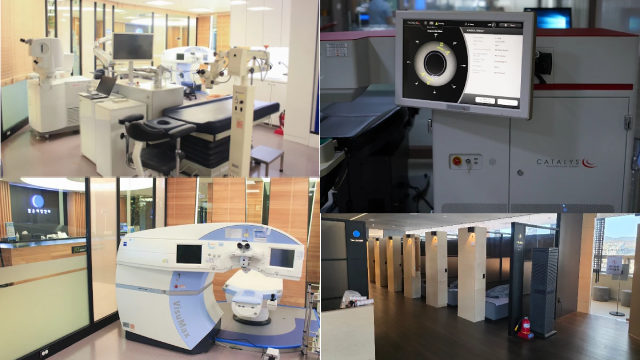
Busan BGSS Eye Clinic is equipped with advanced surgical technology, including the VICTUS Femtosecond Laser, Catalys Precision Laser System, and CENTURION and INFINITI vision systems, supporting precise and minimally invasive cataract procedures. The clinic also maintains diagnostic and monitoring equipment used throughout the preoperative and postoperative process, contributing to consistent surgical planning and follow-up care.
The clinic is recognized as an internationally accredited institution for foreign patient care, with in-house multilingual support available in Chinese, English, Japanese, Mongolian, Russian, and Vietnamese. This allows international patients to receive clear communication throughout consultation, surgical counseling, examination, and follow-up care, which is particularly important for a procedure like multifocal cataract surgery, where clear expectations and detailed explanation of lens options play a central role in patient satisfaction. The clinic's central location in Busanjin-gu, Busan also makes it accessible for both domestic patients and international visitors combining treatment with travel.
What to Expect During Recovery
The First 24–48 Hours
Mild grittiness, light sensitivity, and blurred or fluctuating vision are common immediately after surgery and typically improve within the first day or two. Some patients also notice mild redness or a scratchy sensation, which is a normal part of the eye's healing response to the incision. A protective eye shield is often worn, especially while sleeping, to prevent accidental rubbing or pressure on the eye during the vulnerable early healing period. Patients are usually advised to avoid strenuous activity, heavy lifting, bending forward for extended periods, and swimming during this early period, as increased pressure or contamination risk can interfere with healing.
The First Week
Vision generally continues to stabilize during the first week, though full adaptation to a multifocal lens can take longer, as the brain gradually adjusts to processing input from the new lens design — a process sometimes referred to as neuroadaptation. It is common for near and distance vision to feel slightly imbalanced at first before settling into a more natural pattern. Prescribed eye drops, typically including antibiotic and anti-inflammatory formulations, should be used exactly as directed to reduce the risk of infection and inflammation; missing doses or stopping drops early is one of the more common avoidable causes of delayed healing. Follow-up examinations during this period allow the surgical team to monitor healing, check intraocular pressure, and address any concerns before they become more significant.
Weeks Two Through Six
Most patients notice steady improvement in clarity and reduced dependence on glasses for a range of distances during this period. Some patients continue to notice mild glare or halos around lights at night, which for most people gradually diminishes as the eye and brain adapt to the multifocal optics; this adaptation period varies from person to person. Activities such as reading fine print, using digital screens, and driving at night are often used as informal benchmarks to track functional improvement. Continued follow-up visits help confirm that healing is progressing as expected and give patients an opportunity to discuss any residual visual symptoms with their surgical team.
Safety and Realistic Outcomes
While multifocal cataract surgery has a strong track record for improving quality of life by reducing glasses dependence, no surgical outcome can be guaranteed, and individual results vary based on eye health, healing response, and lens fit. As with any intraocular surgery, potential risks can include infection, inflammation, elevated eye pressure, or the need for additional procedures in a small percentage of cases; these risks are discussed in detail during preoperative counseling. Multifocal lenses in particular carry a higher likelihood of experiencing glare, halos, or reduced contrast sensitivity compared to monofocal lenses, especially in low-light conditions, and this trade-off should be weighed carefully against the potential benefit of reduced glasses dependence.
Discussing personal expectations openly with the surgical team before the procedure helps ensure that patients have a clear, realistic understanding of the likely benefits and limitations, and allows the team to recommend the lens option best suited to each patient's eyes and lifestyle rather than a generalized approach.
Final Thoughts
Recovery after laser multifocal cataract surgery is generally a gradual, well-tolerated process, with most patients returning to normal daily activities within days and experiencing continued visual improvement over the following weeks as the eye heals and the brain adapts to the new lens. Choosing an experienced surgical team, following postoperative care instructions closely, attending scheduled follow-up appointments, and maintaining open communication with your ophthalmologist are the most important steps toward a smooth recovery and a satisfying long-term outcome.
More Articles
Gain valuable insights and knowledge through our informative healthcare articles.

Understanding SMILE Pro Surgery for Vision Correction
Discover how SMILE Pro surgery corrects vision with a minimally invasive laser procedure. Learn the benefits, recovery, and see if you're a candidate.
Learn More

Who Is a Candidate for EVO+ ICL
Find out who is a candidate for EVO+ ICL and learn the eligibility criteria, benefits, and whether this vision correction option is right for you.
Learn More
Recovery After Laser Multifocal Cataract Surgery
Learn about recovery after laser multifocal cataract surgery, including healing time, recovery tips, and what to expect for clearer vision.
Learn More